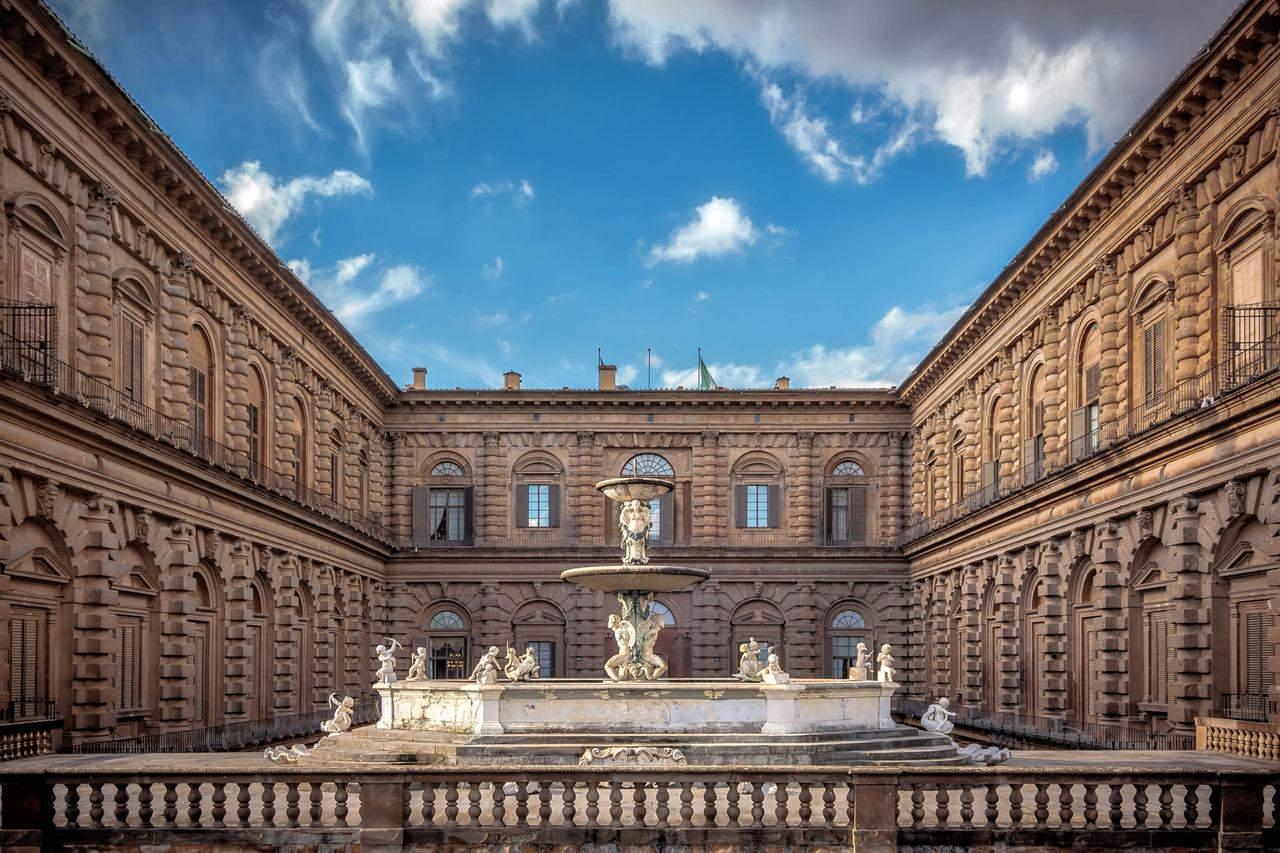
Begun in 1458 for the banker Luca Pitti, the palace was bought in 1549 by Eleonora of Toledo, wife of Cosimo I de’ Medici, and became the residence of the grand dukes. It houses several museums, among them the Palatine Gallery.
The story
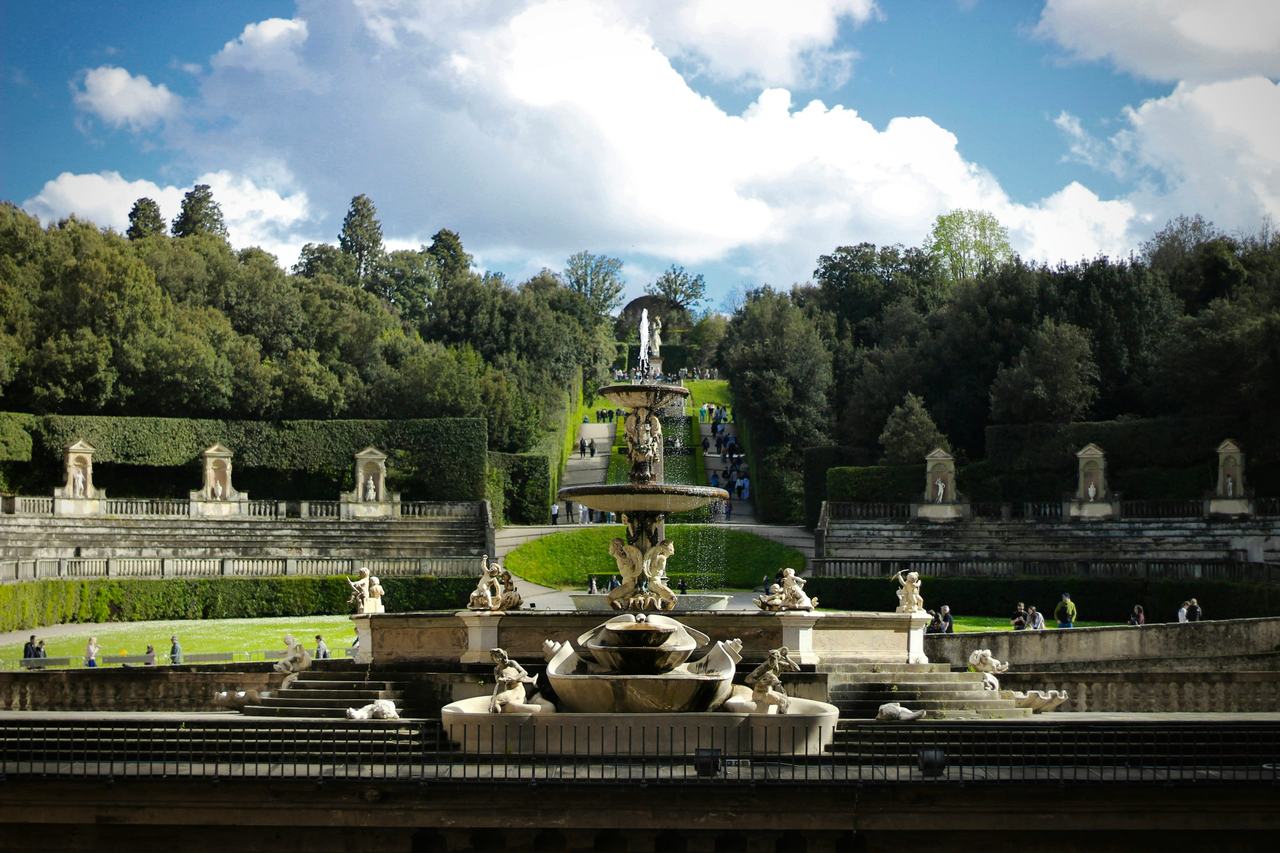
Pitti Palace began in 1458 as the residence of Florentine banker Luca Pitti, who died before it was finished. Its imposing façade of rough-faced stone established a pattern that later extensions continued. Eleonora di Toledo, wife of Cosimo I de' Medici, purchased the palace in 1549; under the Medici, it expanded into a dynastic residence with growing art collections and the Boboli Gardens behind it. After serving the House of Savoy as a royal palace, it was donated with its contents to the Italian people by King Victor Emmanuel III in 1919 and now houses Florence's largest museum complex.
Did you know?
-
Giorgio Vasari credited Brunelleschi with the original design, although Brunelleschi had died twelve years before construction began. Luca Fancelli is now generally credited, but the attribution remains uncertain.
-
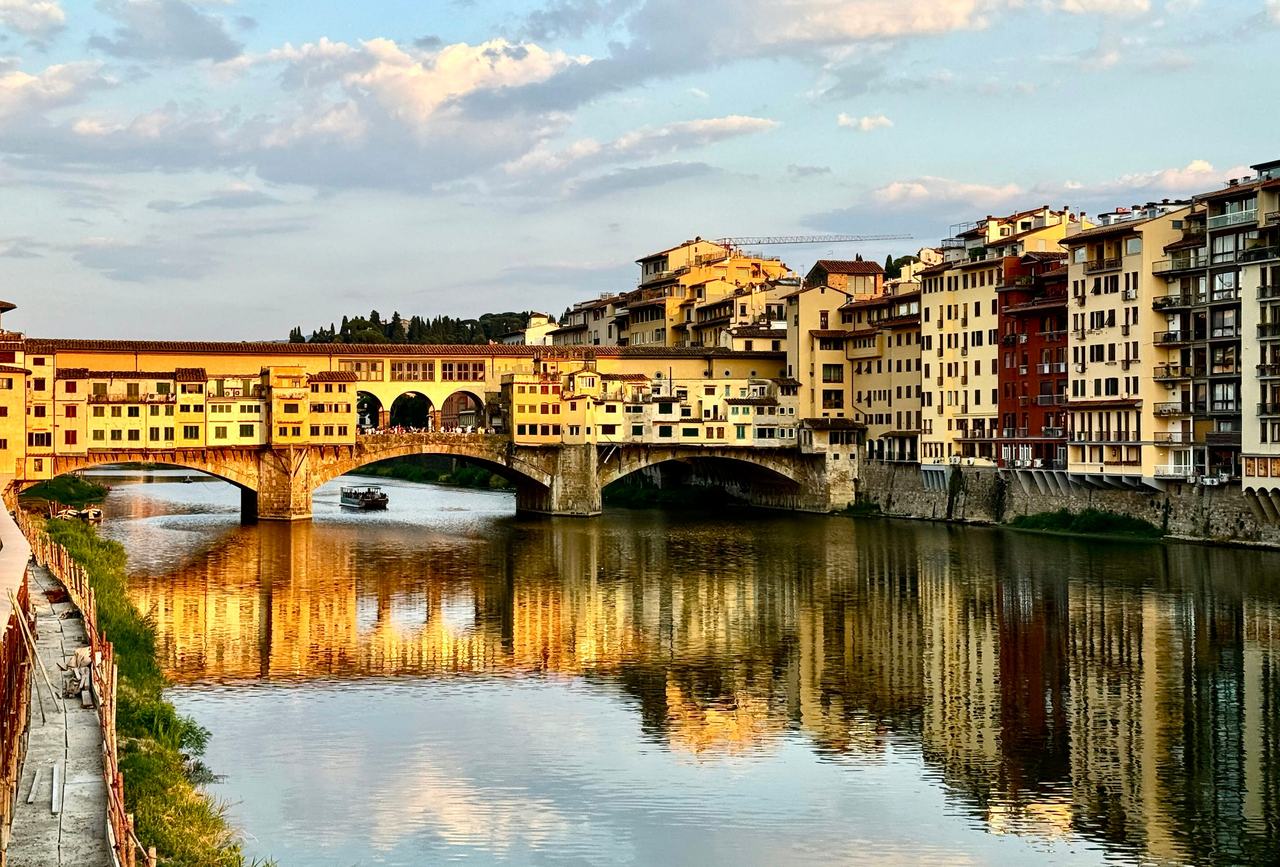
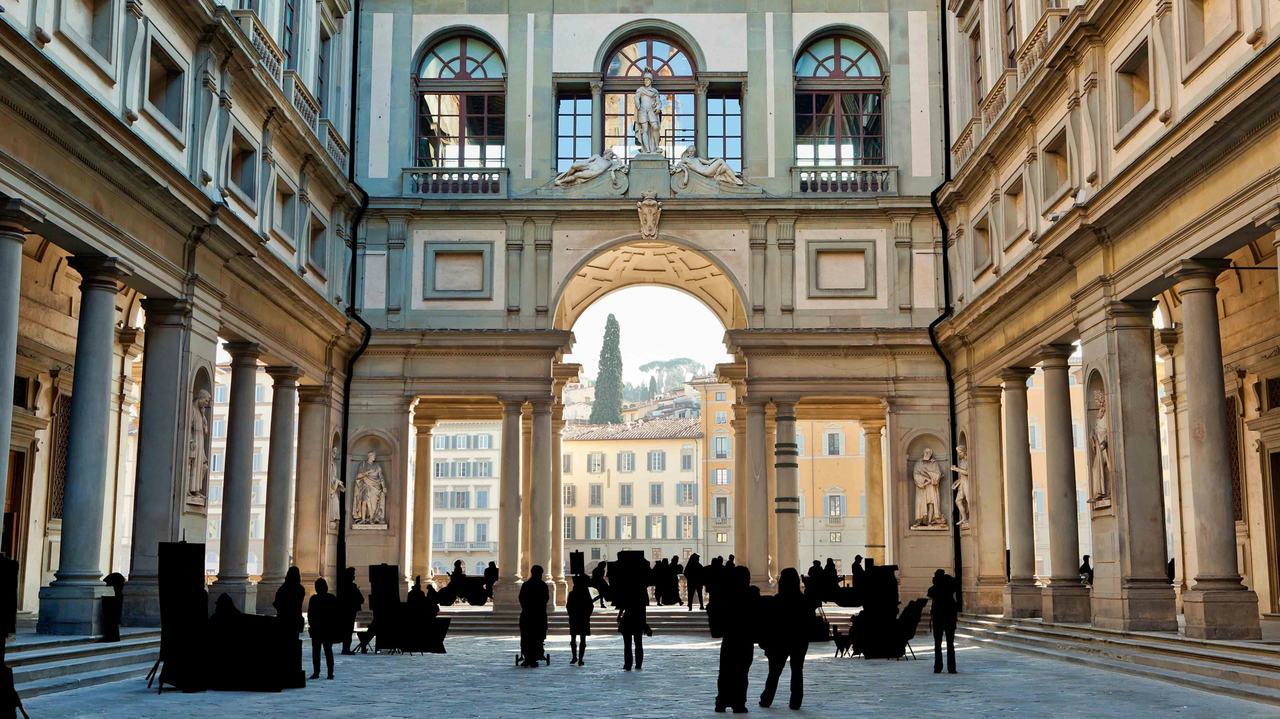
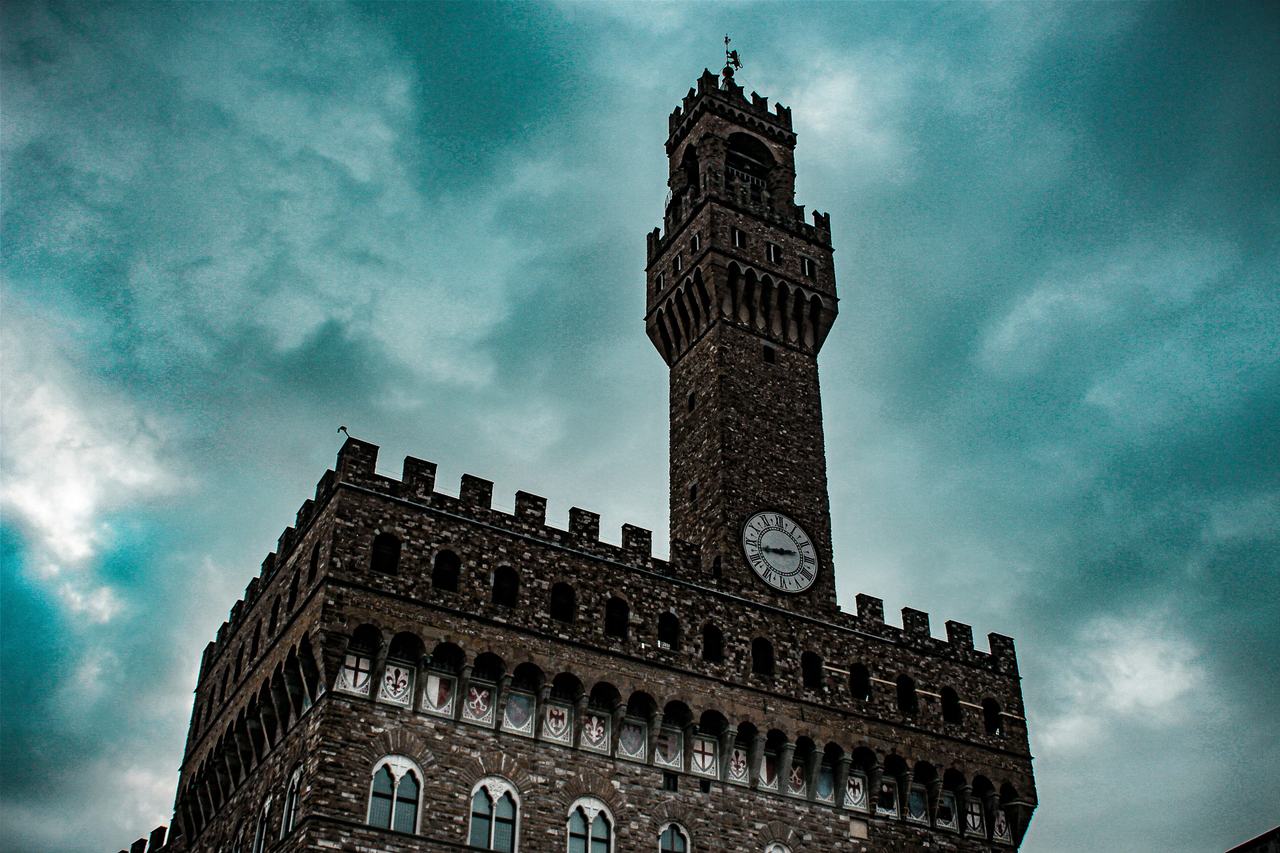
Vasari built an elevated corridor linking the palace to the Palazzo Vecchio through the Uffizi and over the Ponte Vecchio, allowing the Medici family to travel between their residences without entering the streets.
On site, look closely
-
The Palatine Gallery
Raphael, Titian and Rubens hang tightly from floor to ceiling, as in a princely collection.
-
The Royal Apartments
When Florence was the capital of Italy, from 1865 to 1871, the House of Savoy lived in these silk-hung rooms.
-
The facade
Its huge, roughly cut stone blocks give the palace, more than two hundred meters long, its massive strength.