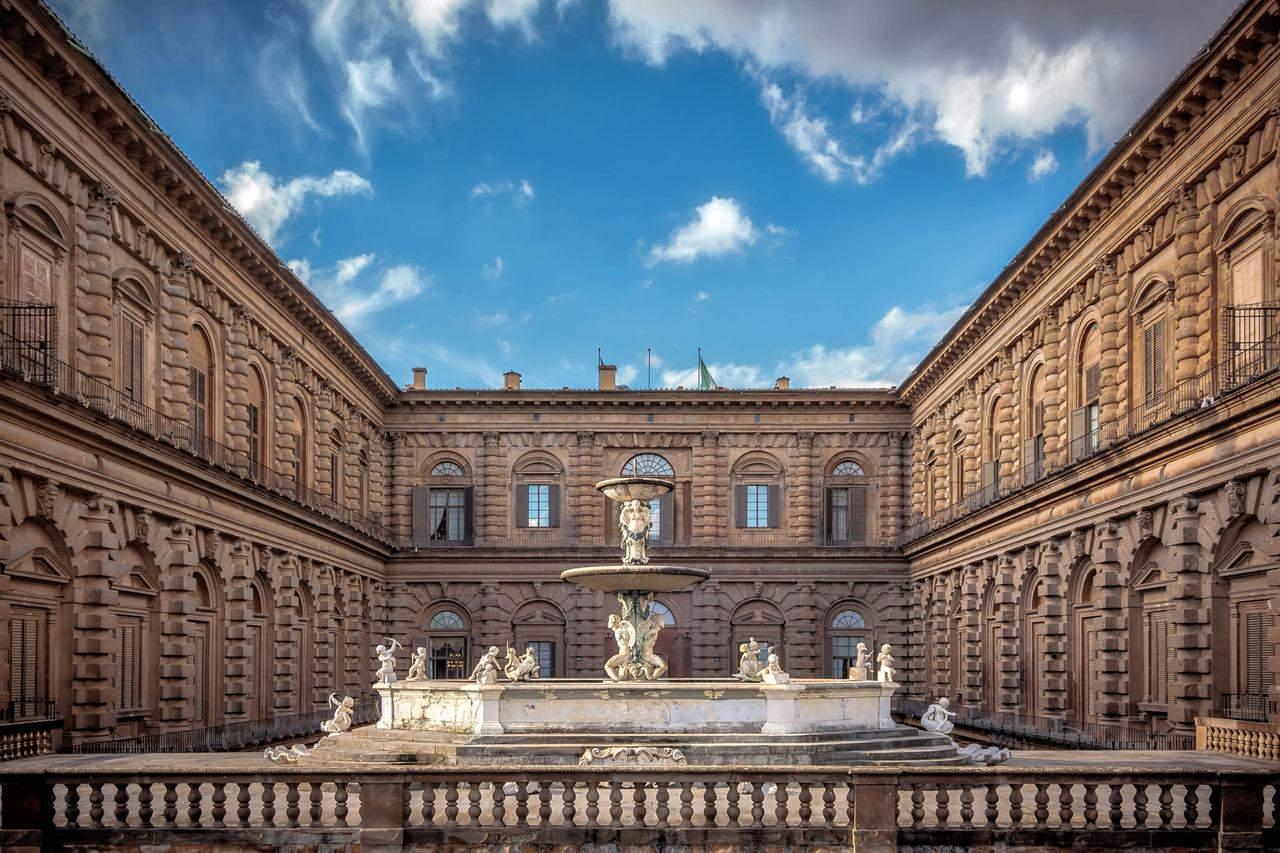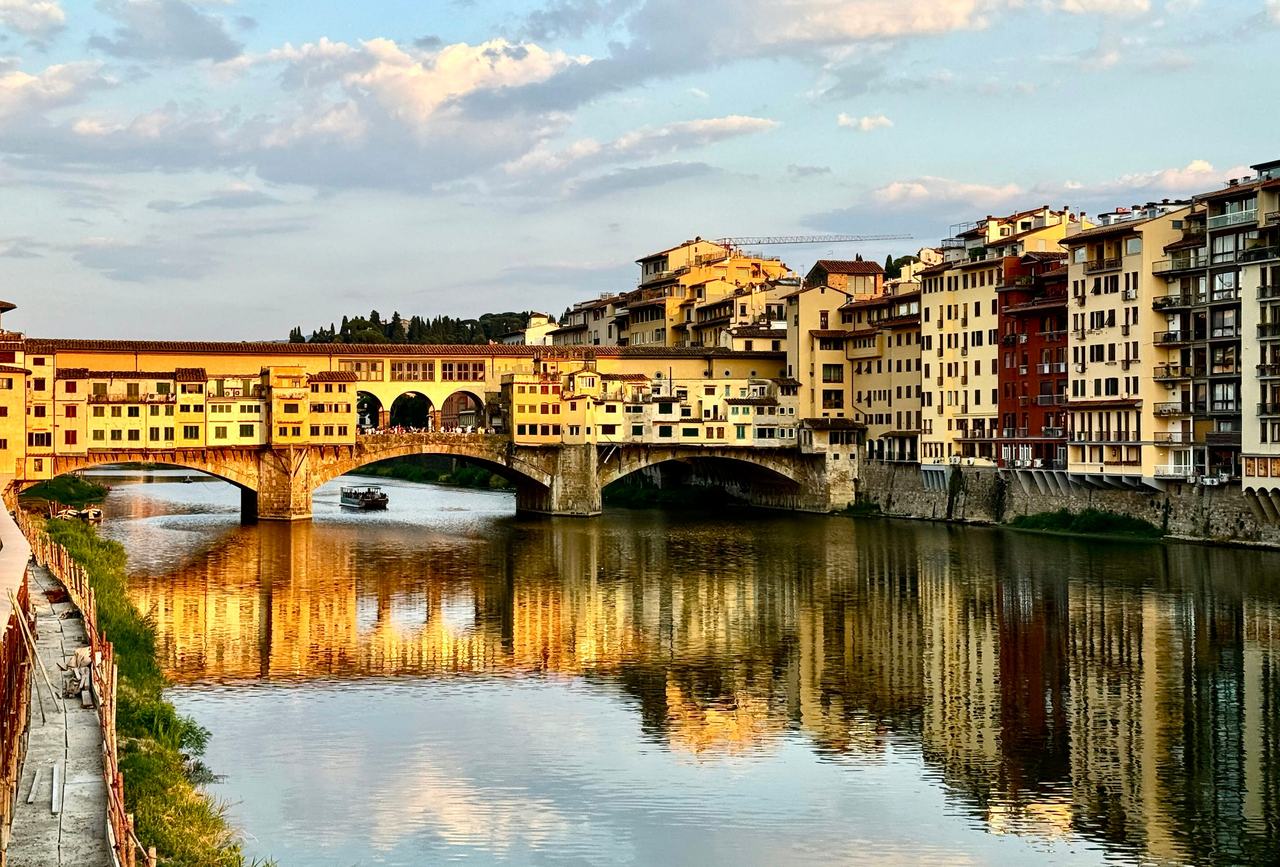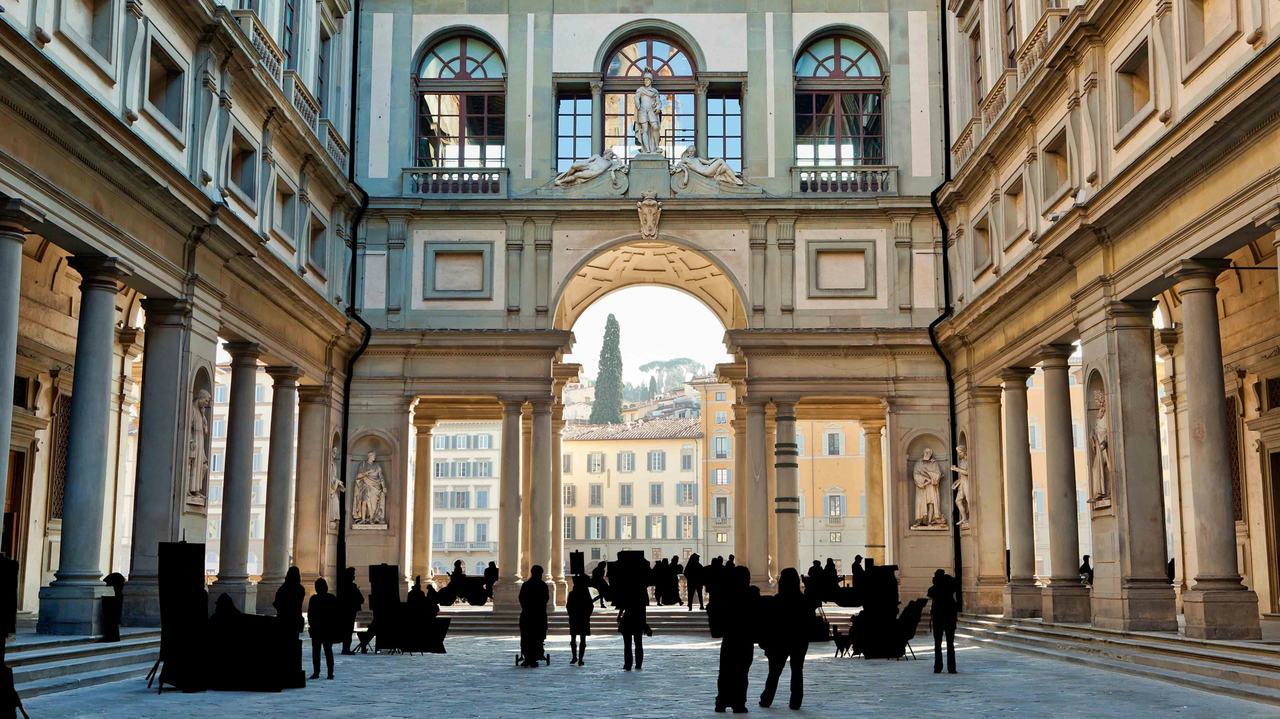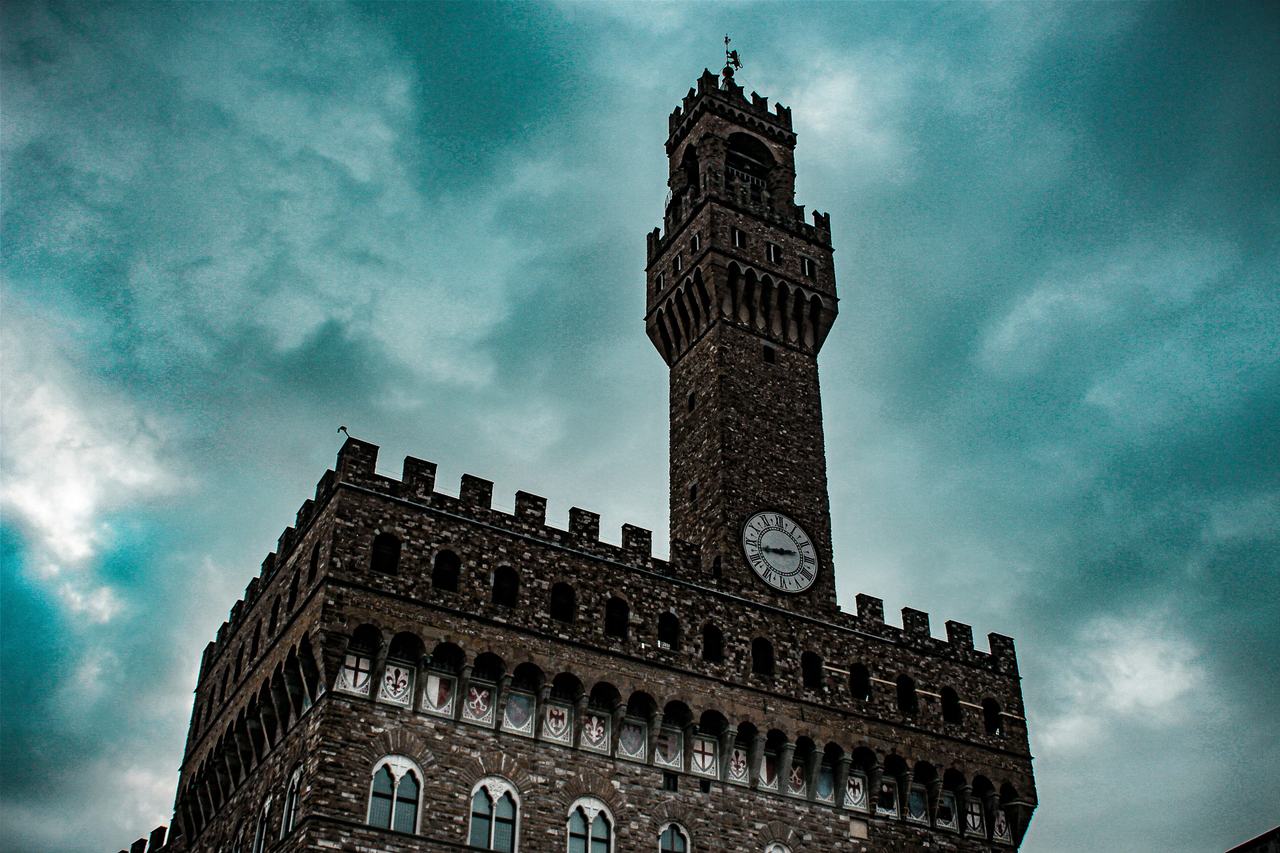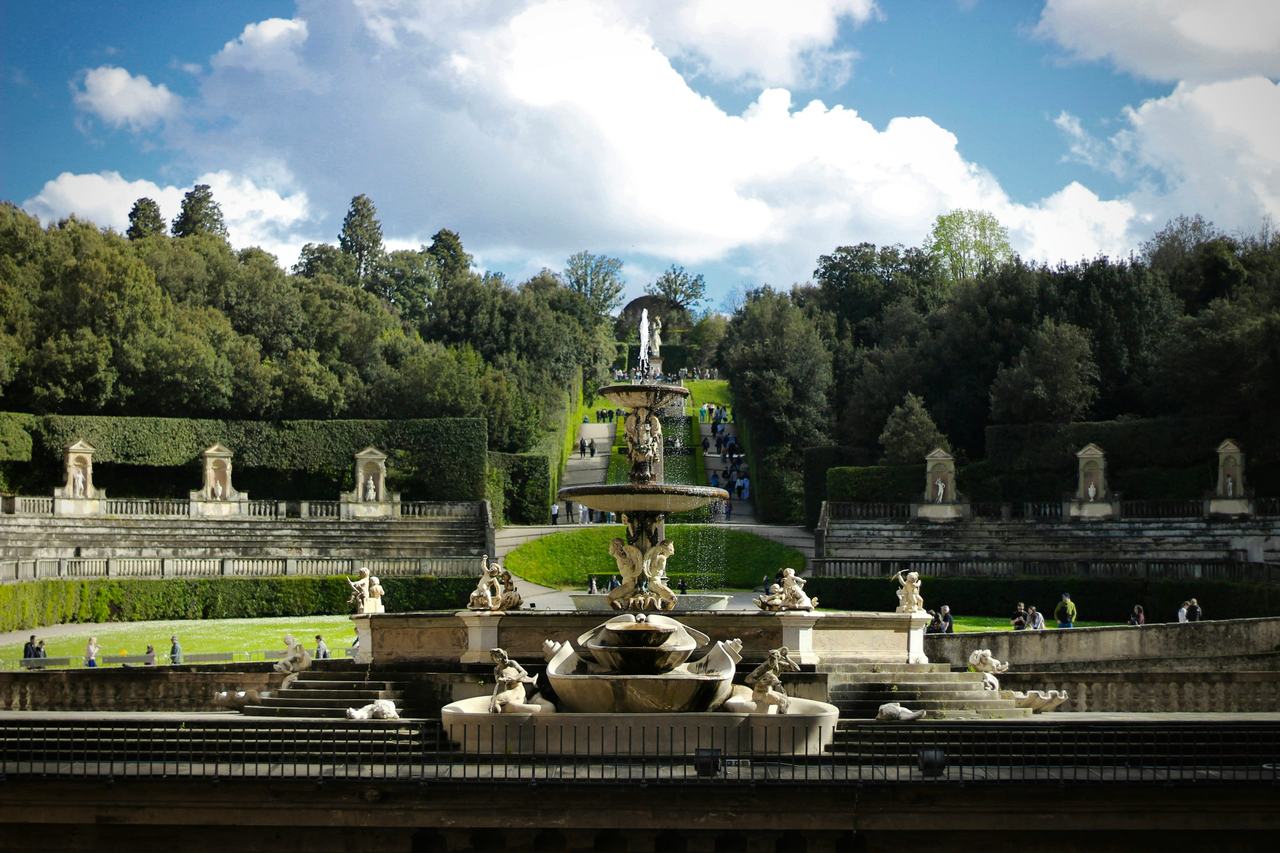
Laid out from 1549 for Eleonora of Toledo, the Boboli Gardens climb the hill behind the Palazzo Pitti. Their amphitheater, cypress avenues and grottoes became a model for the gardens of Europe’s courts.
The story
The Boboli Gardens rise behind Pitti Palace, where Eleonora di Toledo’s purchase of the property in 1549 began its transformation into a Medici court garden. Niccolò Tribolo prepared the initial design; after his death in 1550, work continued under Bartolomeo Ammannati and later Bernardo Buontalenti. During Cosimo II’s rule, Giulio Parigi and his son Alfonso nearly tripled the garden’s extent, introducing the long perspective of the Viottolone toward Porta Romana. Successive Medici, Habsburg-Lorraine, and Savoy rulers shaped its terraces, fountains, grottoes, and sculpture collections between the sixteenth and nineteenth centuries, and it first opened to the public, with restrictions, under Peter Leopold of Lorraine.
Did you know?
-
The hollow occupied by the amphitheater was created by quarrying the pietraforte sandstone used to build Pitti Palace.
-
The small cascades of the Mostaccini Fountain once served as drinking places for decoy birds used in bird catching.
On site, look closely
-
The Great Grotto
Buontalenti’s grotto imitates a cave of dripstone, peopled with figures and animals that seem to emerge from the rock.
-
The amphitheater
Behind the palace, tiers of greenery surround an Egyptian obelisk brought from Rome.
-
The Isolotto
At the end of a long cypress avenue, an island in the middle of a pool carries Giambologna’s Ocean Fountain.