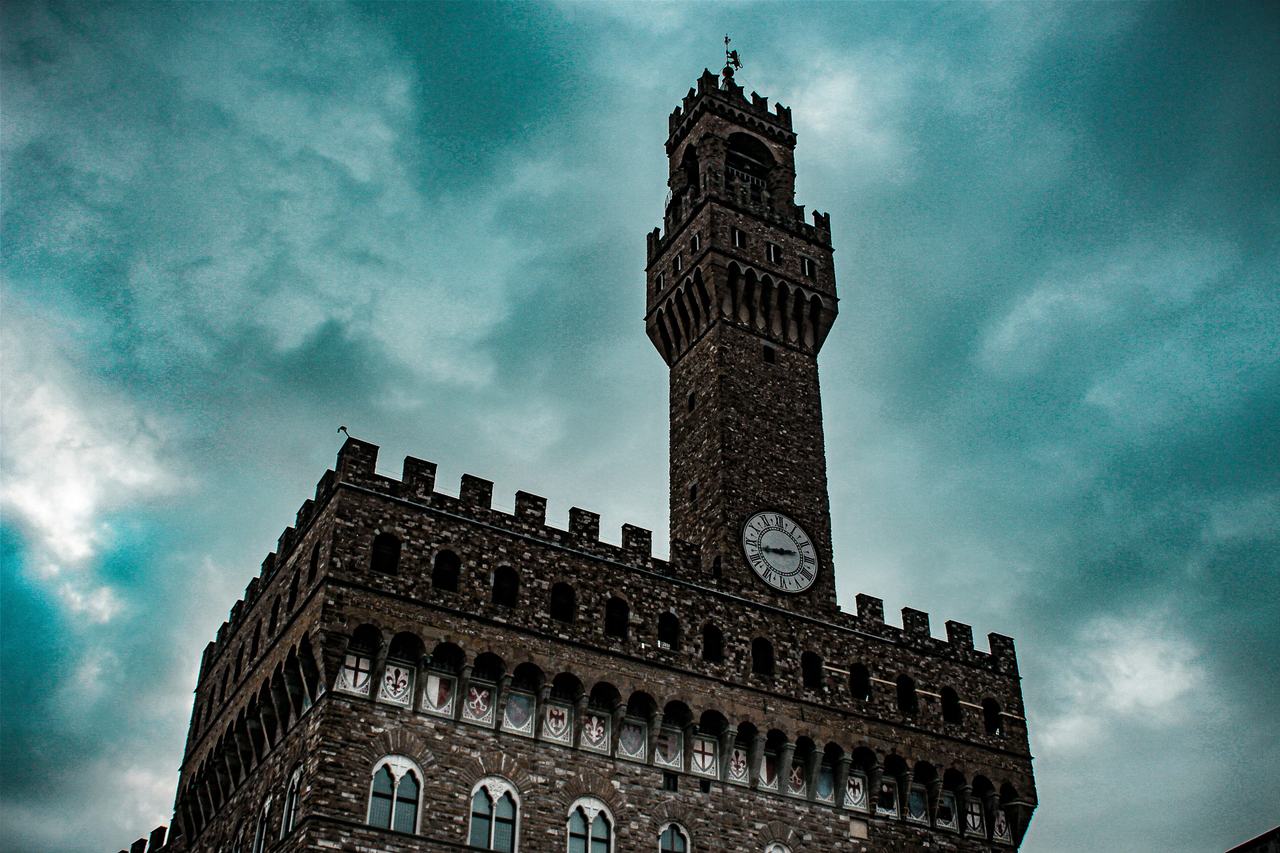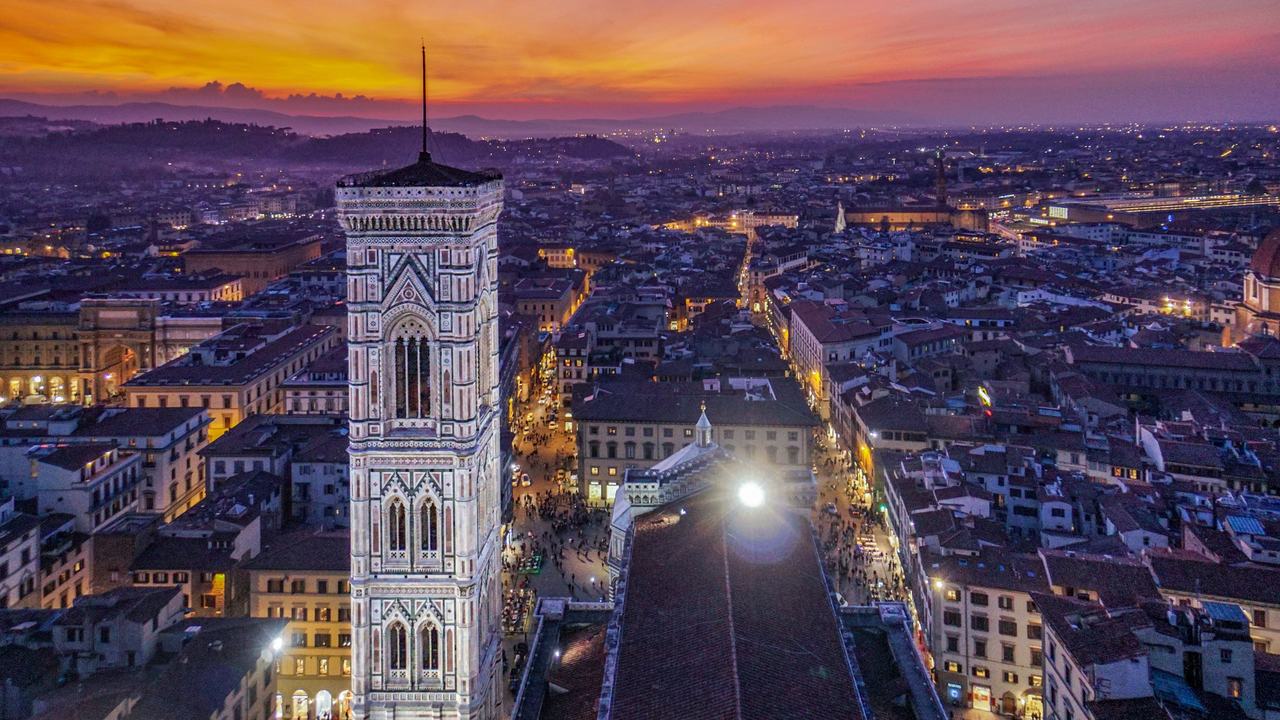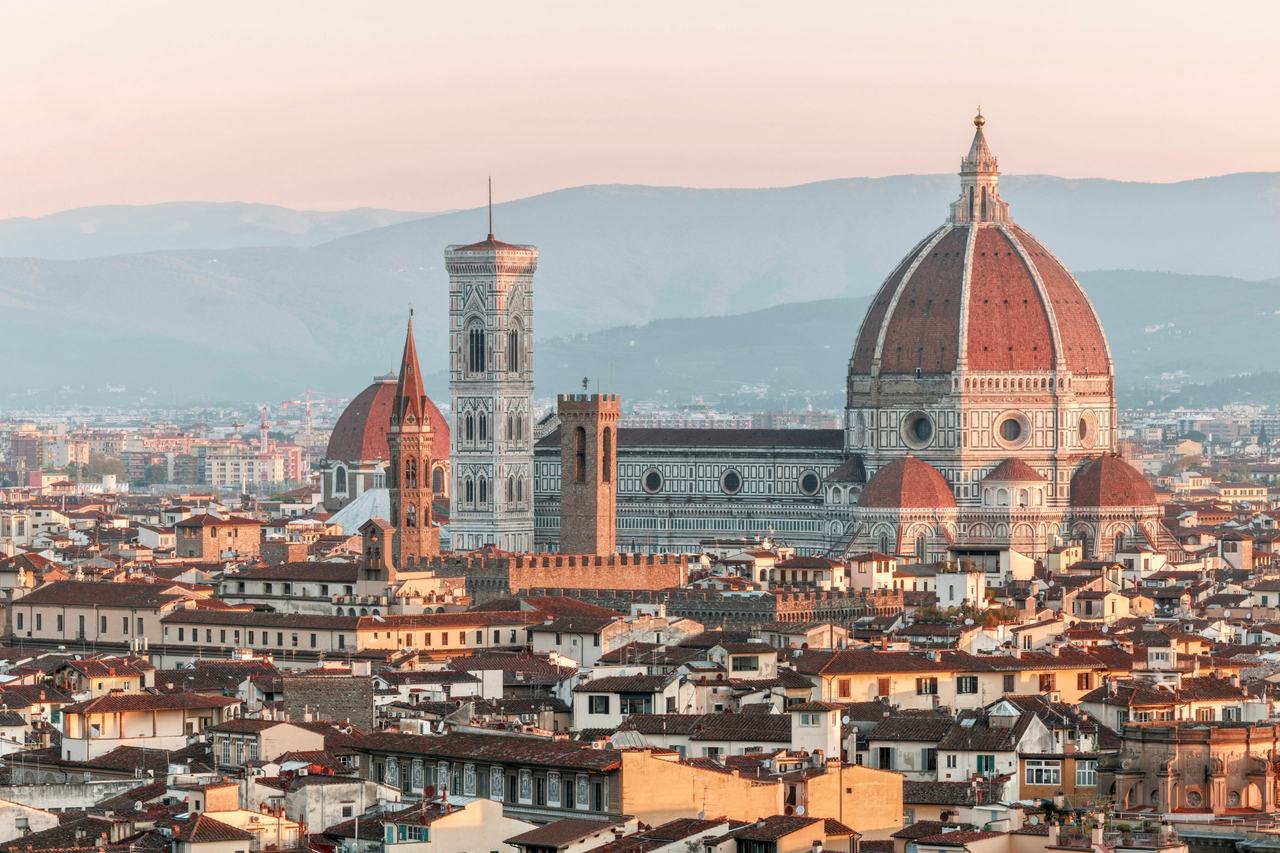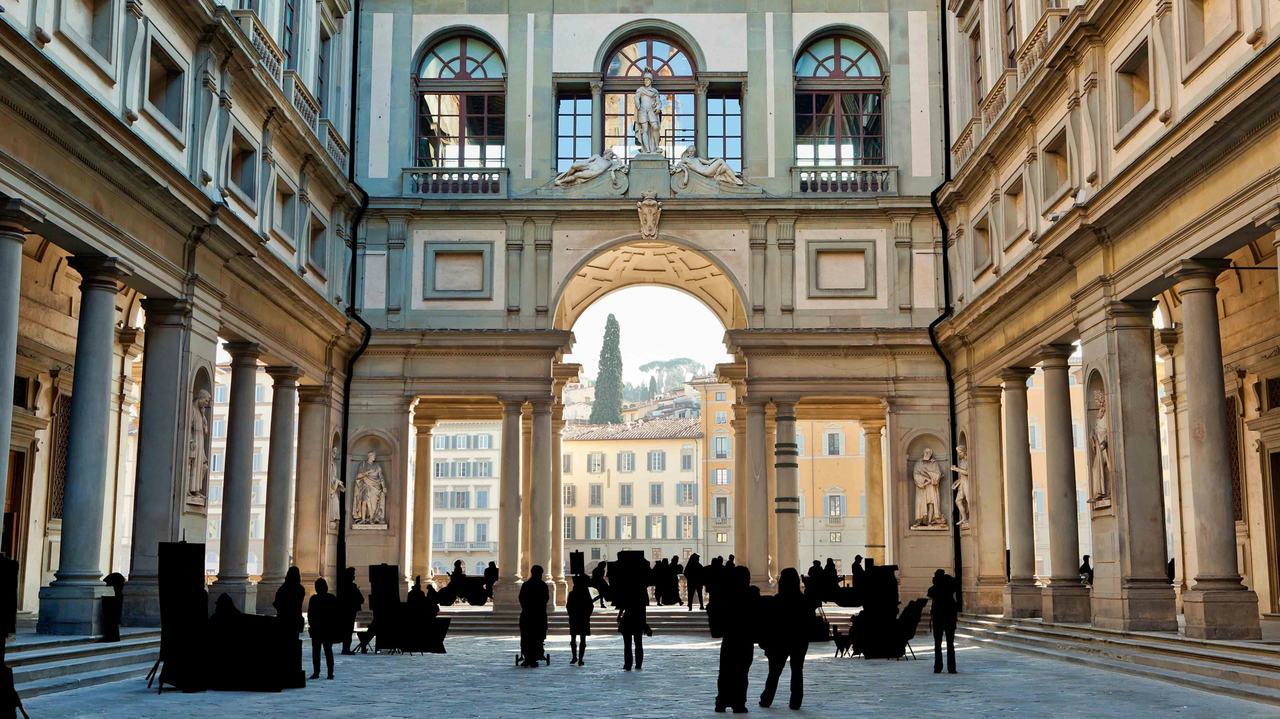
Giorgio Vasari began the building in 1560 to house the “uffizi”, the offices of Cosimo I de’ Medici’s administration. The family’s collections were gathered here from the 16th century; today they form one of the world’s foremost museums of painting.
The story
The Uffizi Gallery began as a government building commissioned in 1560 by Cosimo I de’ Medici to bring Florence’s thirteen principal magistracies under his direct supervision. Giorgio Vasari designed its U-shaped complex between Palazzo Vecchio and the Arno; Bernardo Buontalenti and Alfonso Parigi the Elder later completed the building in 1580. Its museum collections grew from the Medici holdings, enriched over the centuries by bequests, donations, exchanges, and religious works transferred from suppressed monasteries and convents. Paintings by Botticelli, Raphael, Leonardo da Vinci, and other artists trace the development of Italian art, with Florentine Renaissance painting at the collection’s heart, alongside ancient sculpture, drawings, and prints.
Did you know?
-
Vasari incorporated the medieval Romanesque church of San Pier Scheraggio into the new complex rather than clearing the entire site.
-
Construction materials included leftover paving stones from Florence’s streets, while stoneworkers received access to a sandstone quarry traditionally reserved for public projects.
On site, look closely
-
The Birth of Venus
In Botticelli’s painting, Venus comes ashore standing on a shell, blown by the winds; it is one of the museum’s most viewed works.
-
The Doni Tondo
This round painting of the Holy Family is Michelangelo’s only finished panel painting; its gilded frame is original.
-
The Vasari Corridor
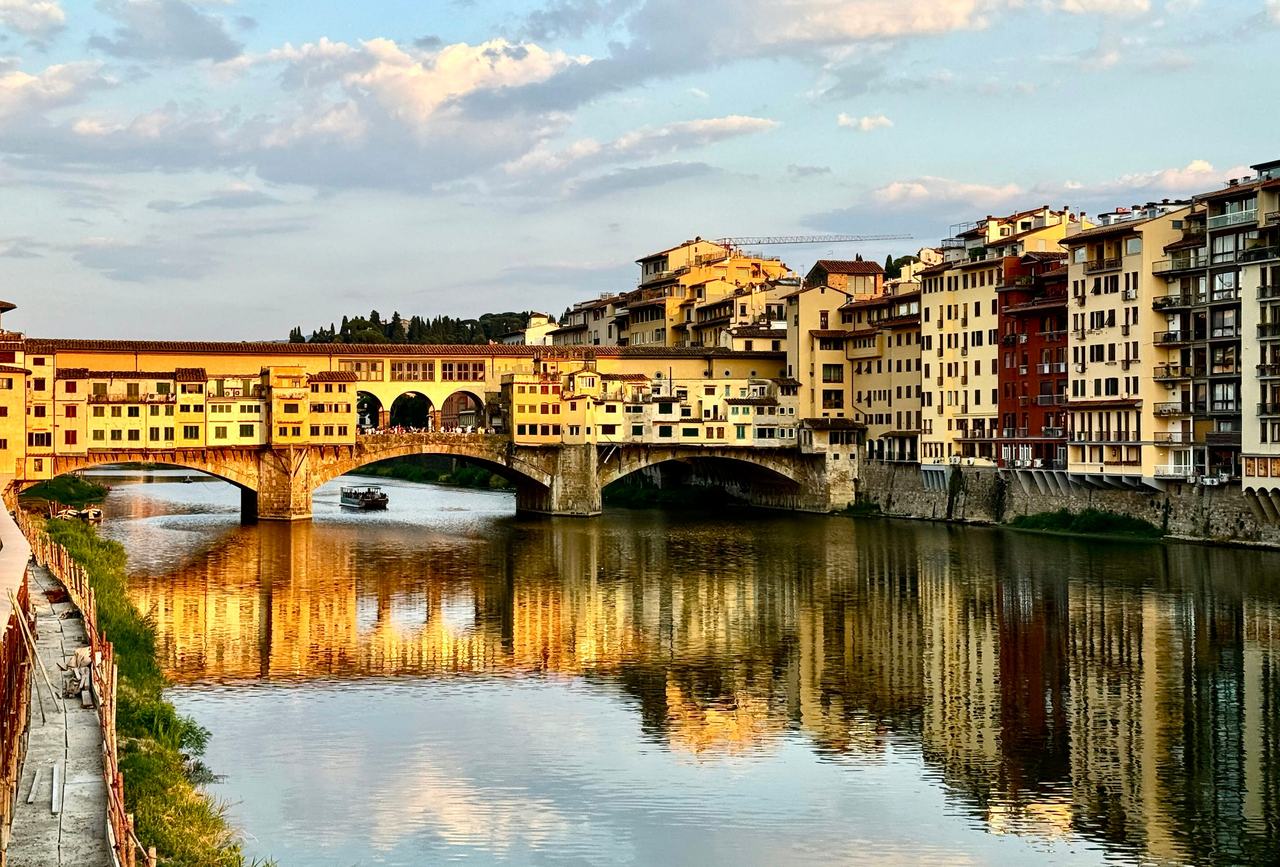
From the windows you can follow the covered passage Vasari built for the Medici: it crosses the Arno above the Ponte Vecchio.