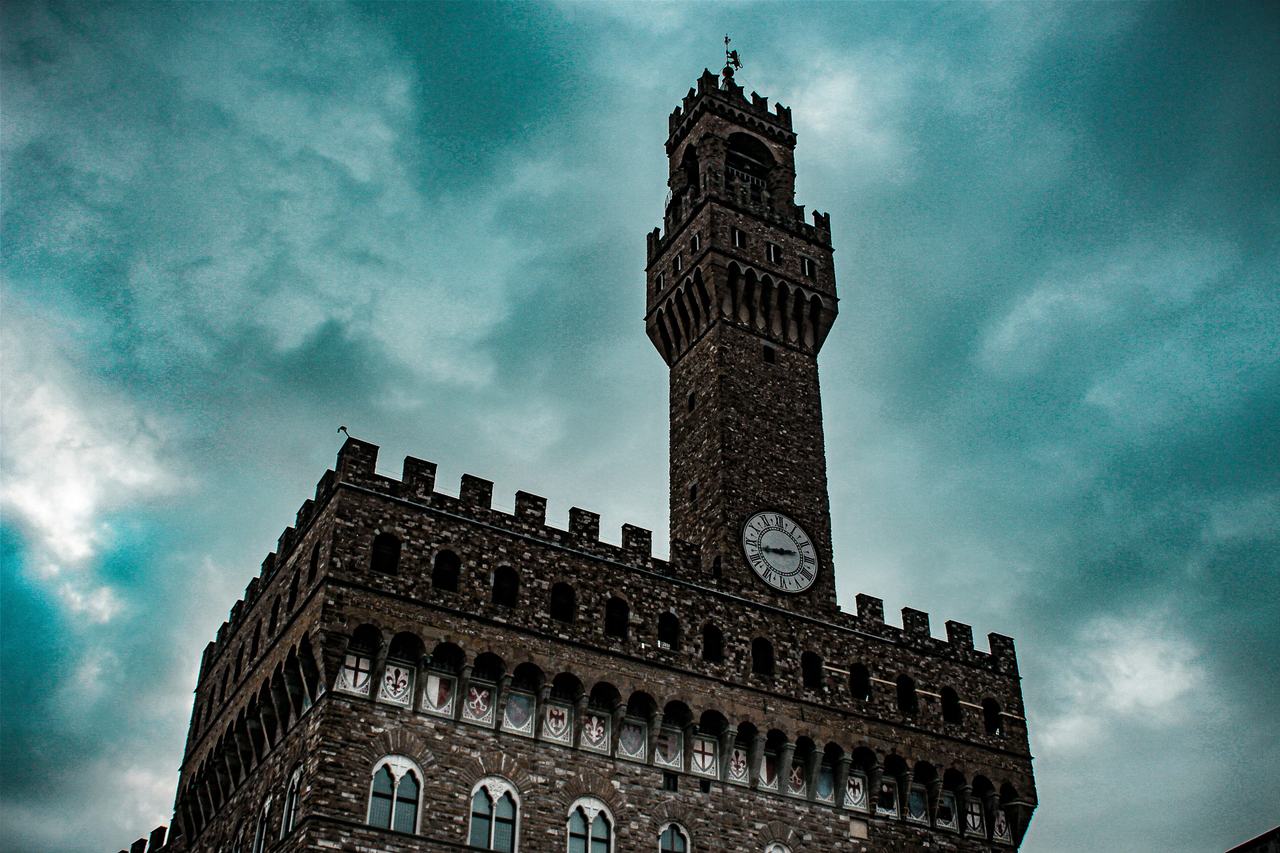
Begun in 1299 and attributed to Arnolfo di Cambio, the palace has housed the government of Florence for more than seven centuries. Its tower rises 94 meters; inside, the Hall of the Five Hundred is covered with Vasari’s frescoes.
The story
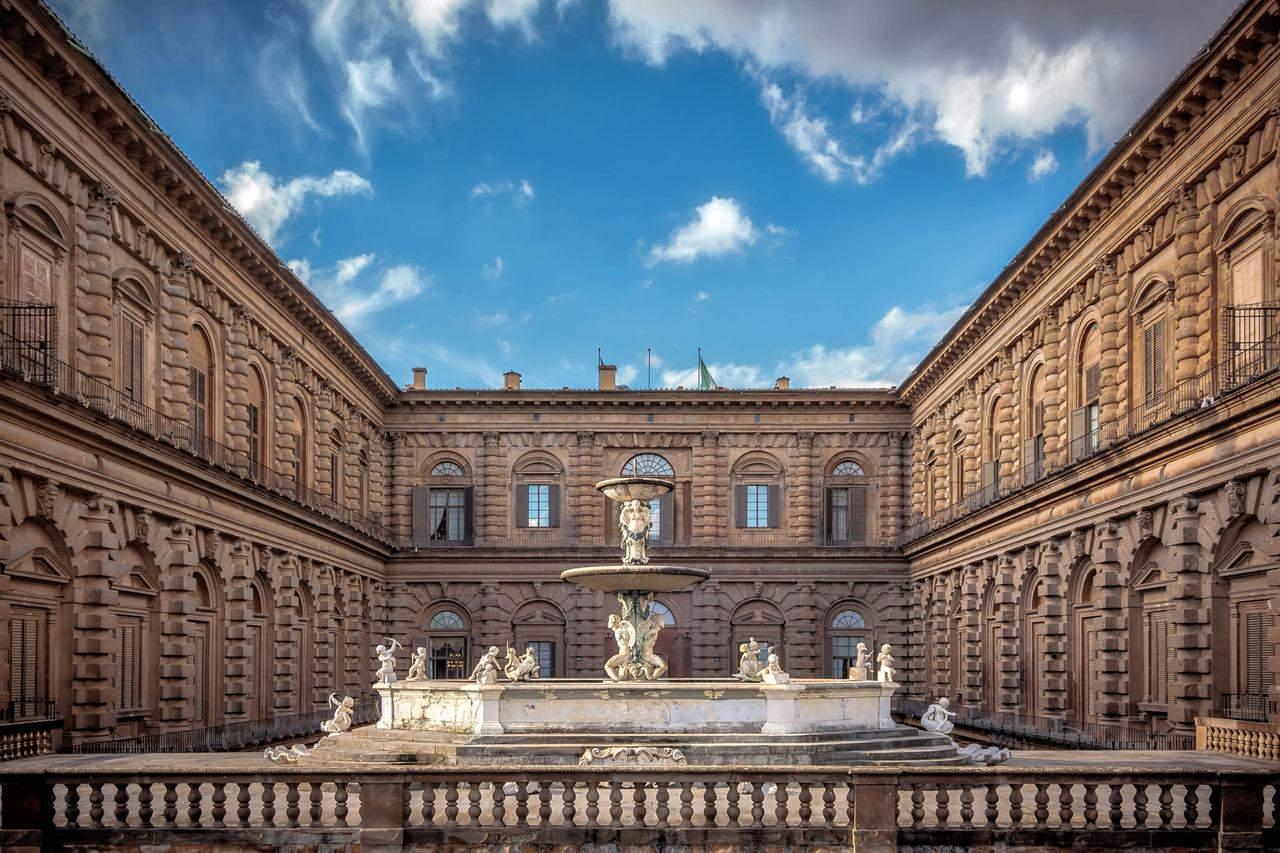
Palazzo Vecchio on Piazza della Signoria began in 1299 as a fortified headquarters for Florence’s magistrates, with its design attributed to Arnolfo di Cambio. Successive enlargements transformed the medieval civic palace, including the addition of the Salone dei Cinquecento during Savonarola’s republic. Cosimo I de’ Medici made it his residence in 1540 and commissioned further expansion, first under Battista del Tasso and then Giorgio Vasari; it acquired the name Palazzo Vecchio, or “Old Palace,” when Cosimo chose Palazzo Pitti as his royal residence in 1565. It housed the Italian Chamber of Deputies from 1865 to 1871 and today combines Florence’s town hall with a museum preserving rooms decorated by artists including Bronzino and Vasari.
Did you know?
-
The tower stands off-center because its lower section incorporates an older structure, the Torre della Vacca, rather than rising from an entirely new foundation.
-
Beneath the palace lie remains of Roman Florence’s theater; cavities under its ancient arches were later used as prisons known as the burelle.
On site, look closely
-
The Hall of the Five Hundred
The vast council hall of the Republic, covered with battle frescoes painted by Vasari and his workshop.
-
Francesco I’s Studiolo
A small windowless room, entirely lined with painted panels, where the prince kept his curiosities behind secret doors.
-
Arnolfo’s Tower
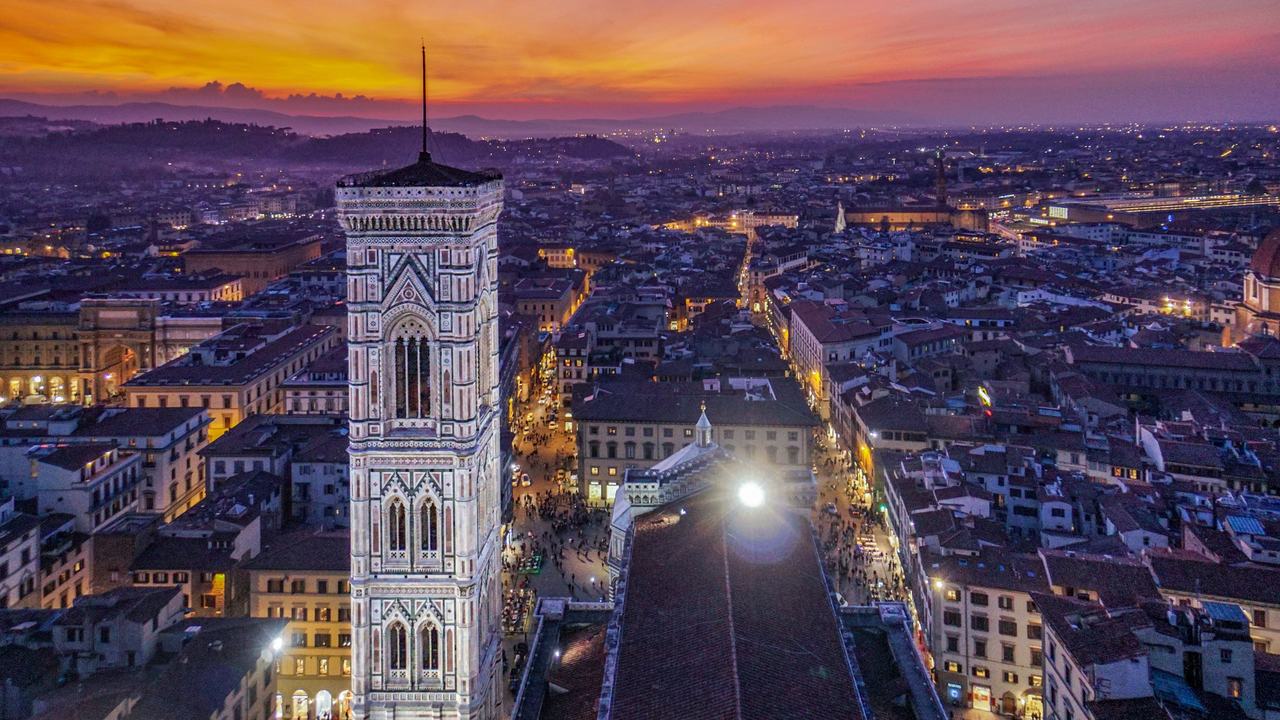
You can climb the tower, nearly 95 meters tall: at the top, the view takes in the cathedral dome and the whole city.