Why the great sites now sell time
A ticket used to open a door. At the Louvre, the Alhambra or Machu Picchu it now buys an hour. Where timed entry comes from, what it protects and how to turn it to your advantage.
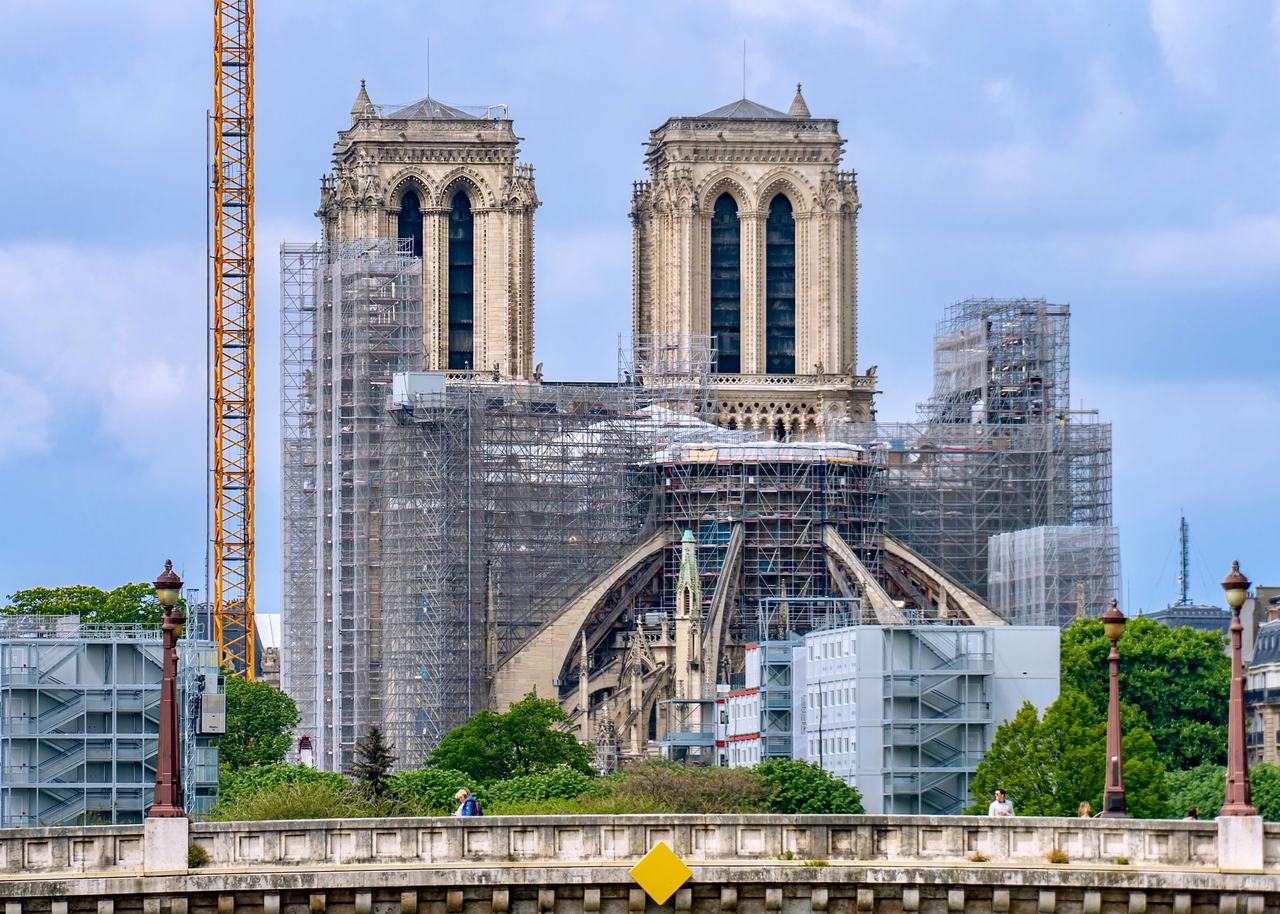
Not long ago, a ticket to a famous place was a simple thing: you paid, and the door was open for the day. At more and more of the world’s great sites, what you buy now is an hour. Miss it and the door stays shut. The change can feel like bureaucracy. It is closer to conservation.
The lesson of a cave
The clearest warning came from a cave in southwestern France. Lascaux was discovered in 1940 and opened to visitors in 1948. Within fifteen years, the breath and warmth of the crowds had begun to damage paintings that had survived some 17,000 years, and in 1963 the cave was closed to the public for good. Since 1983, visitors have seen a replica instead. Every fragile site has had to ask the same question since.
How many people can come in before the visit destroys what they came to see?
Counting people
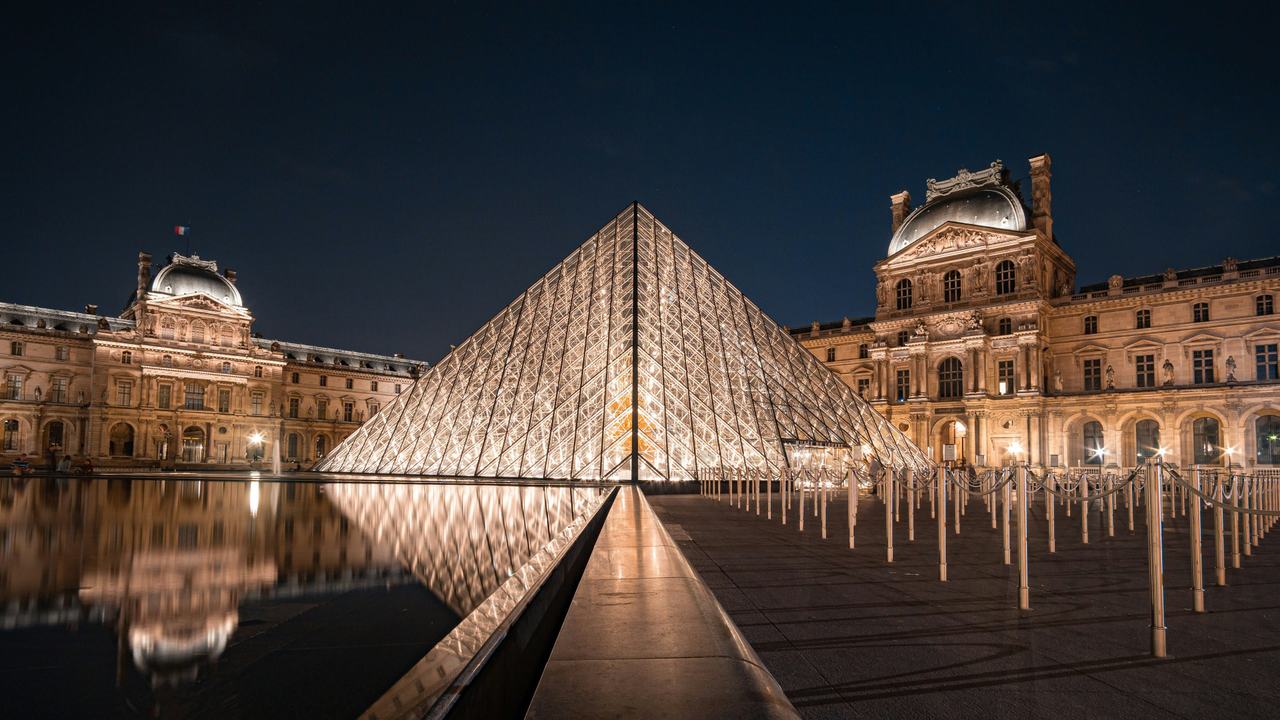
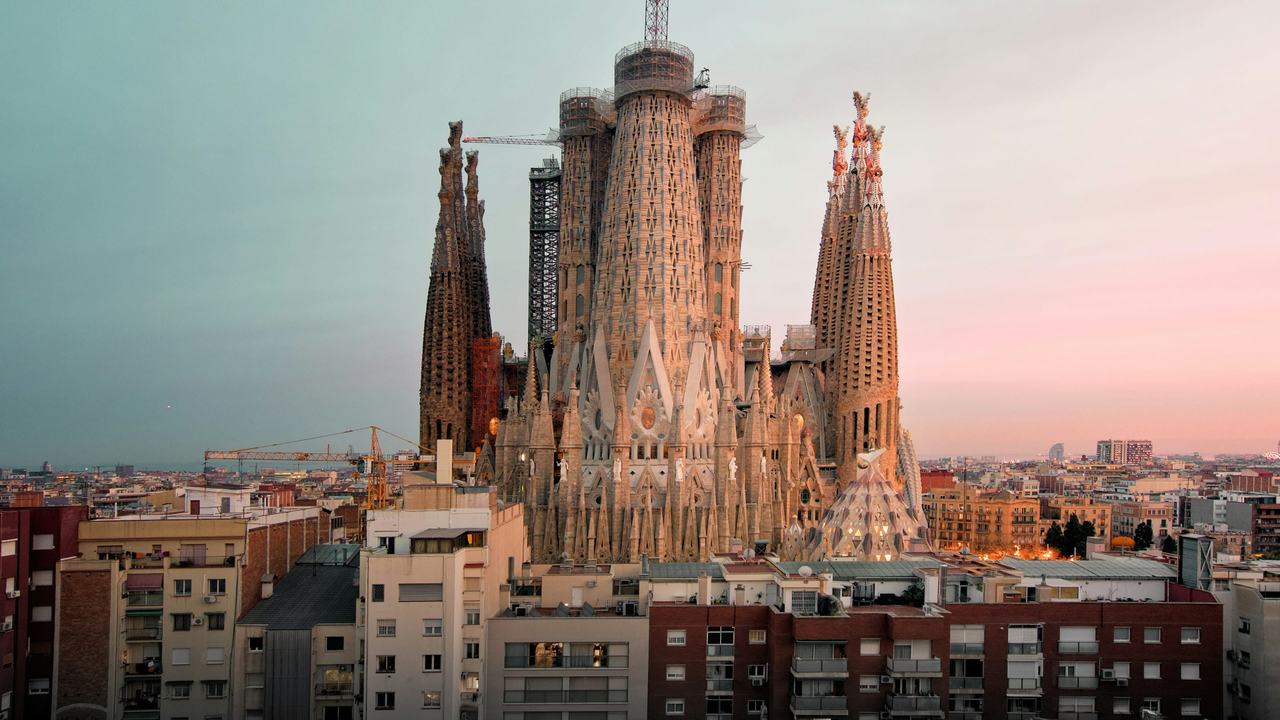
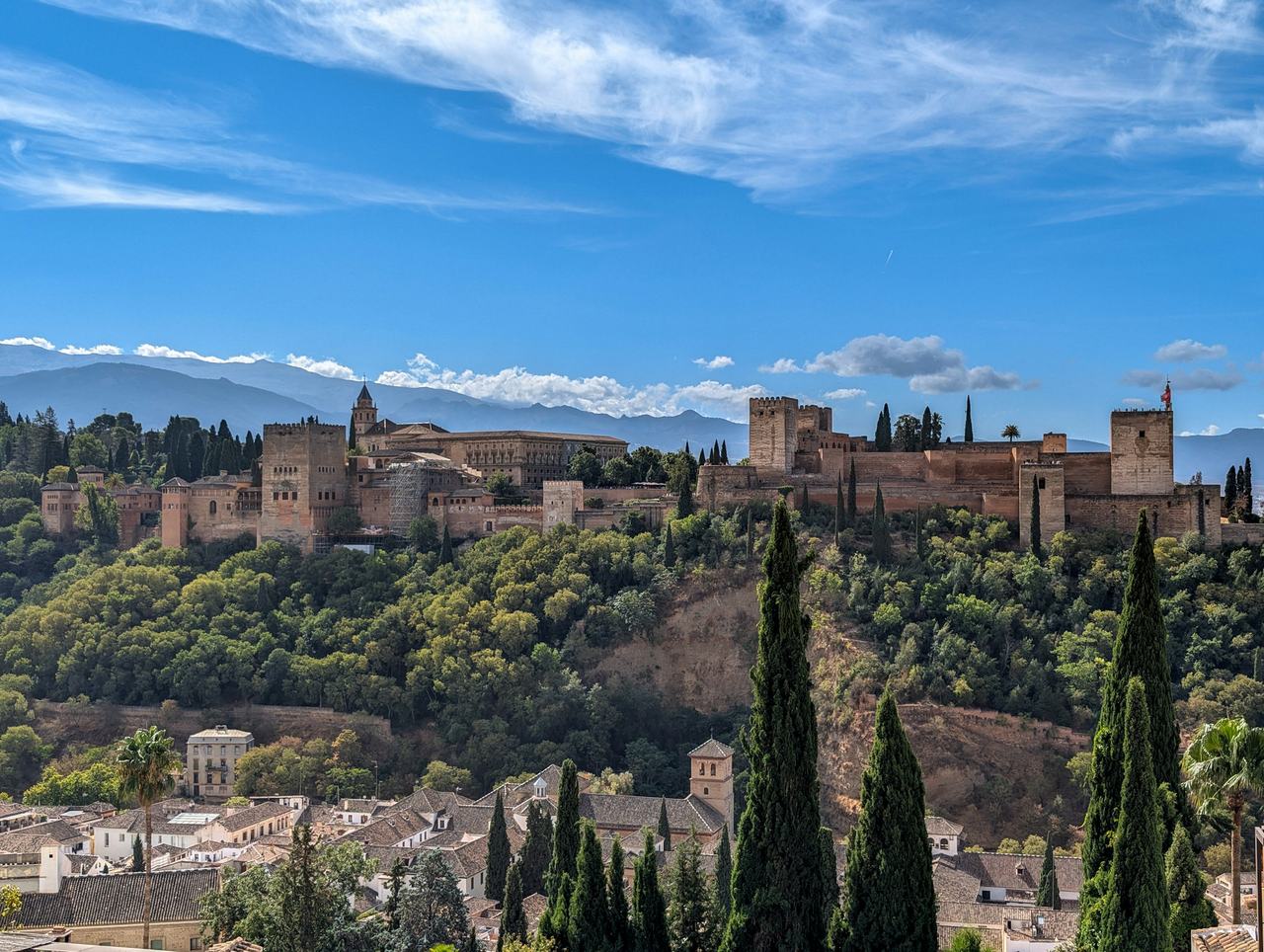
The answers are numbers. The Louvre used to welcome up to 45,000 people on its busiest days; since 2022 it has capped entry at 30,000 a day, a limit its director, Laurence des Cars, made official in January 2023. At Machu Picchu the limit was 2,500 visitors a day in 2011; since 2024 it has been 4,500, and up to 5,600 in high season, each with an entry time. On the Inca Trail that leads there, only 500 people may set out each day. In Granada, a ticket to the Alhambra carries the exact time at which you may enter the Nasrid Palaces. In Barcelona, the Sagrada Família admits its visitors by time slot too. And in Milan, Leonardo’s Last Supper is shown to small groups for fifteen minutes at a time.
Make the slot work for you
A time slot is a constraint, and constraints can be used. Book the hour first, as soon as your dates are fixed, and build the day around it rather than the reverse. Choose the first slot of the morning or one of the last of the afternoon: the light is better and the rooms are quieter. Arrive early, because the hour on the ticket is the hour at the door. And accept what the system gives you in exchange: a painting you can actually approach, a palace courtyard where you can hear the fountain.
On ScanTrip, each great visit starts with that information: whether to book, and how far ahead. It is the least romantic line on the page. It is often the one that decides whether you get in.