The tower that radio saved
The Eiffel Tower was built to stand for twenty years. What kept it standing was not its beauty but an antenna: how wireless telegraphy turned a temporary monument into a permanent one.
The Eiffel Tower was never meant to grow old. Gustave Eiffel’s contract gave him the income from the tower for twenty years; in 1909 the city of Paris was to take it back, and nothing obliged the city to keep it. Plenty of Parisians hoped it would not. What saved the tower was a use nobody had planned for when it opened in 1889.
A monument on probation
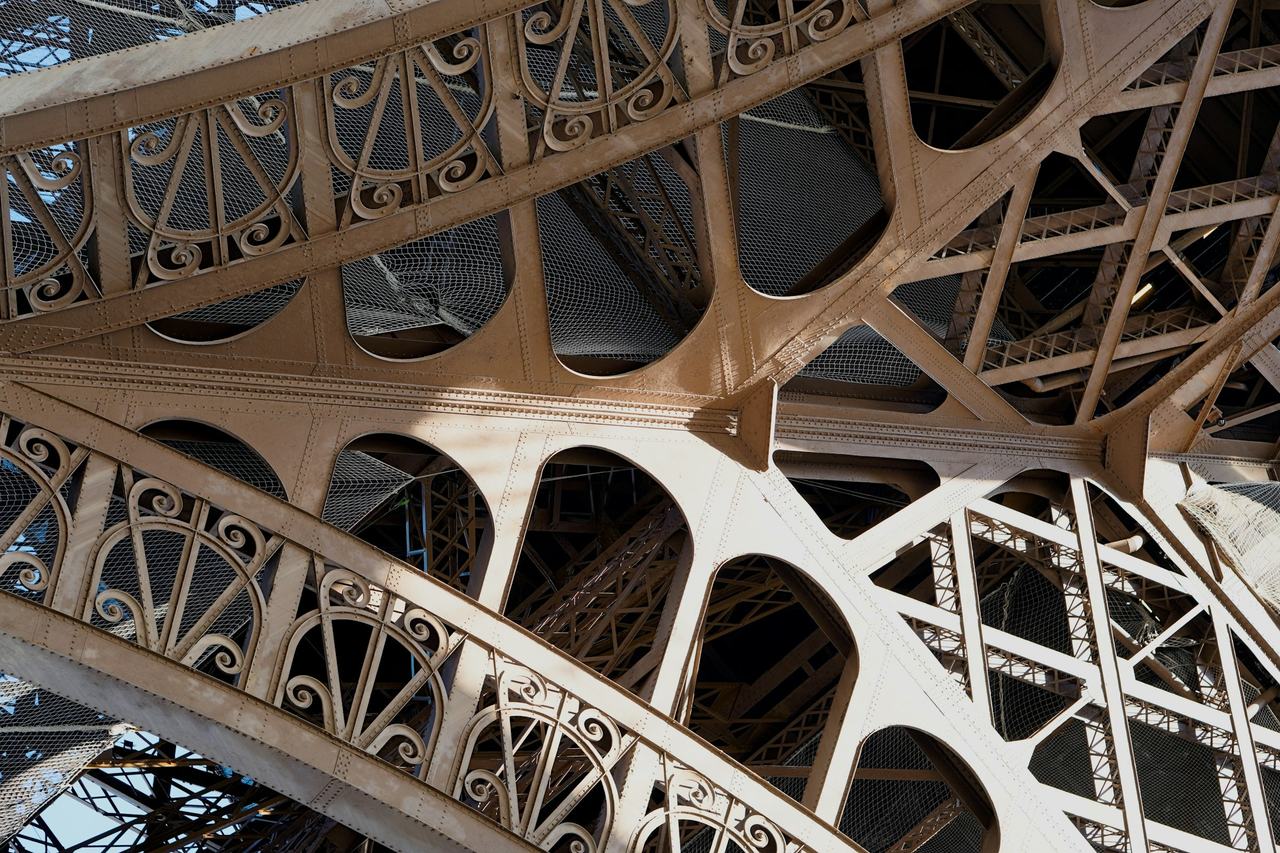
The dislike was loud and early. On February 14, 1887, while the foundations were still being dug, the newspaper Le Temps published a protest by artists and writers against the “useless and monstrous” tower. The architect Charles Garnier, the composer Charles Gounod and the novelist Guy de Maupassant were among its opponents. The tower went up anyway: 18,038 pieces of iron and 2.5 million rivets, assembled between January 1887 and March 1889. But its place on the skyline came with an end date.
Making itself useful
Eiffel understood that a tower with a purpose would be harder to pull down. He opened it to science: a weather station at the top, experiments on air resistance and then the experiment that mattered. On November 5, 1898, the engineer Eugène Ducretet sent a wireless message in Morse code from the summit to the Panthéon, four kilometers away. In 1903 Eiffel offered the tower to the army, at his own expense, and Captain Gustave Ferrié set up a military radio station at its foot.
The tallest structure in Paris had become the best antenna in France.
When the twenty years ran out, the argument was settled. The concession was renewed for seventy years, starting on January 1, 1910. Four years later the station proved its worth: in 1914 the tower’s transmitter jammed German radio communications during the advance on Paris, in the days before the First Battle of the Marne.
What to look for
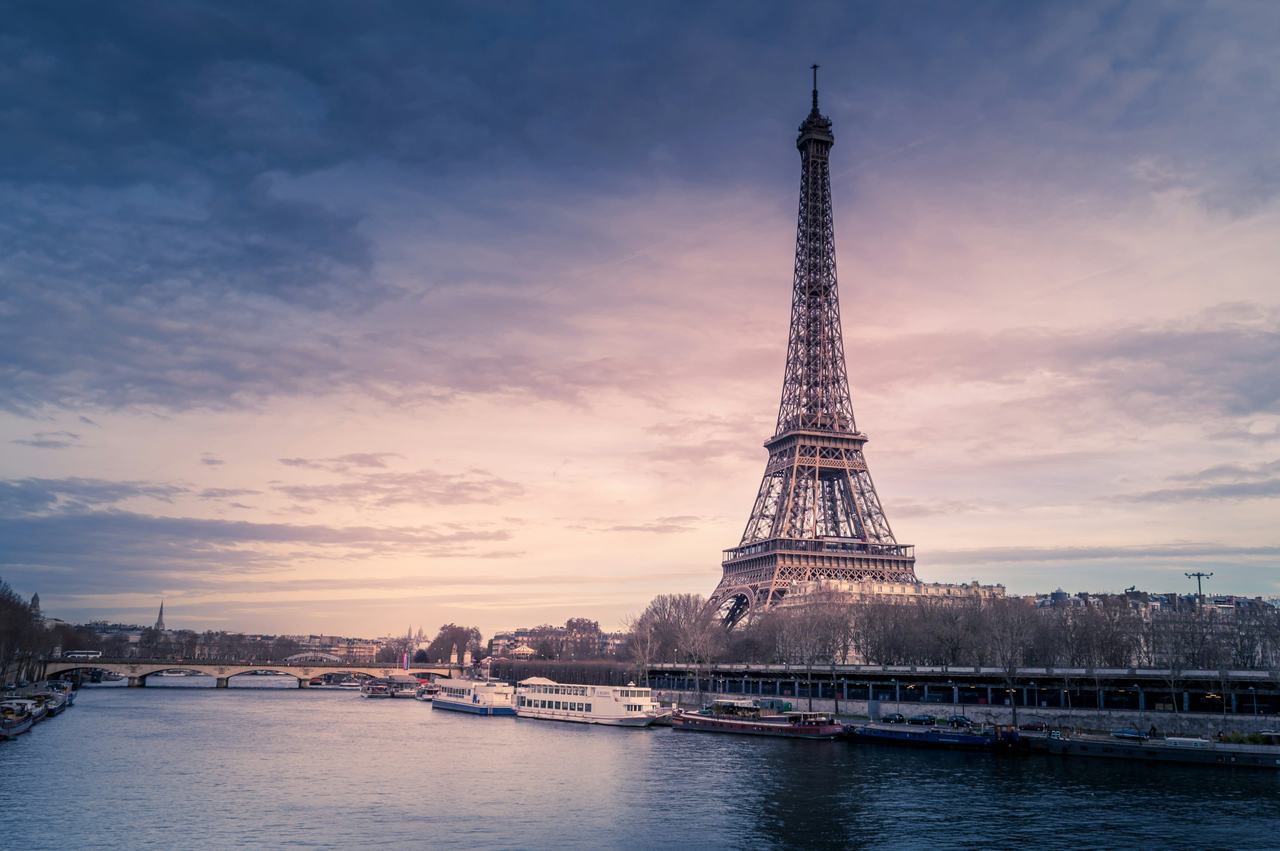
Today the tower stands 330 meters tall, and the last stretch is all antenna. Look at the summit before you look at the view. The mast and the dishes are not an afterthought bolted onto a monument; they are the reason the monument is still there. The iron lattice that the artists of 1887 found monstrous now reads as the lightest thing on the Paris skyline. And at the top, the tower is still at work.