



Why the great sites now sell time
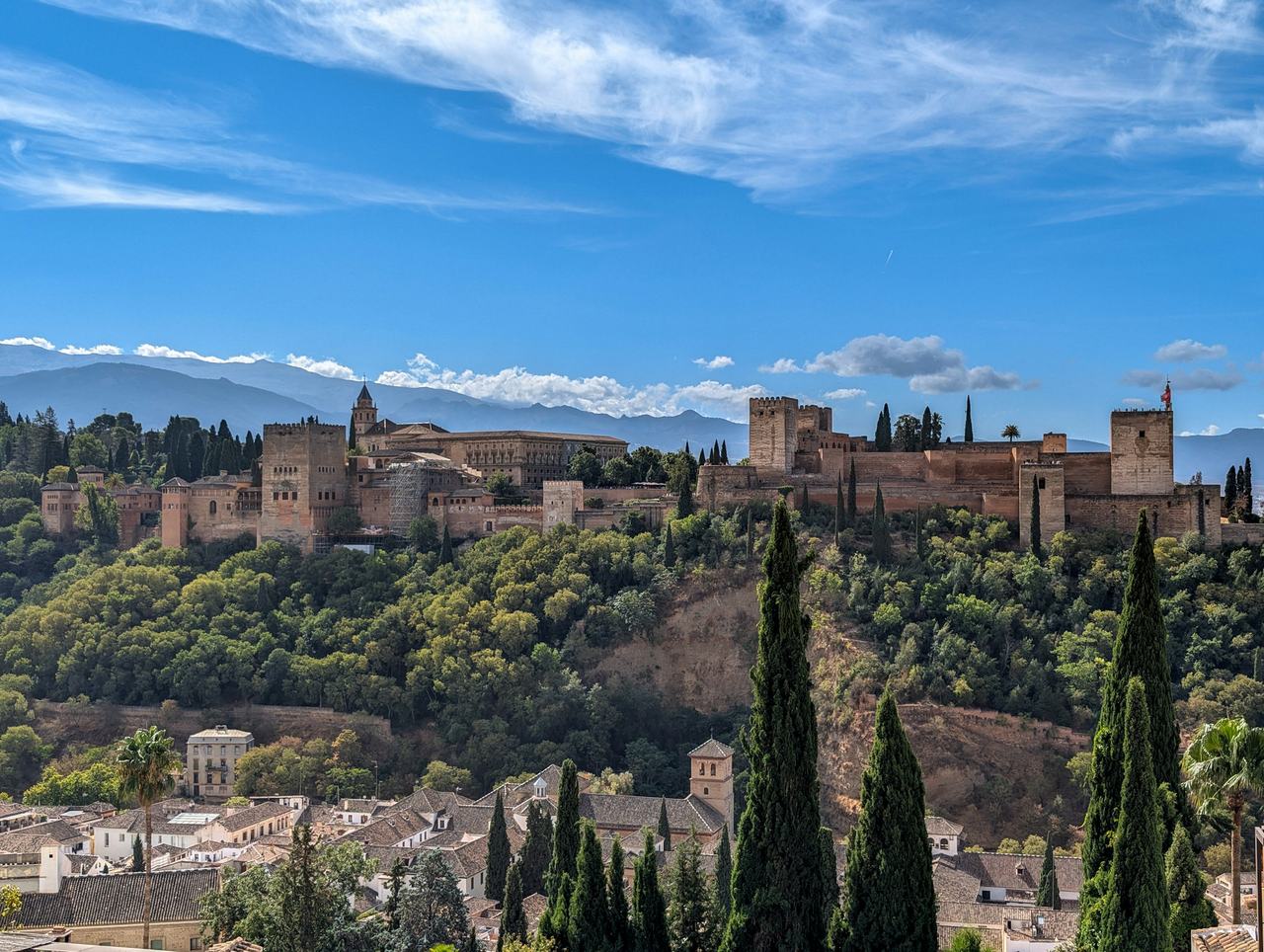
A ticket used to open a door. At the Louvre, the Alhambra or Machu Picchu it now buys an hour. Where timed entry comes from, what it protects and how to turn it to your advantage.
Read the story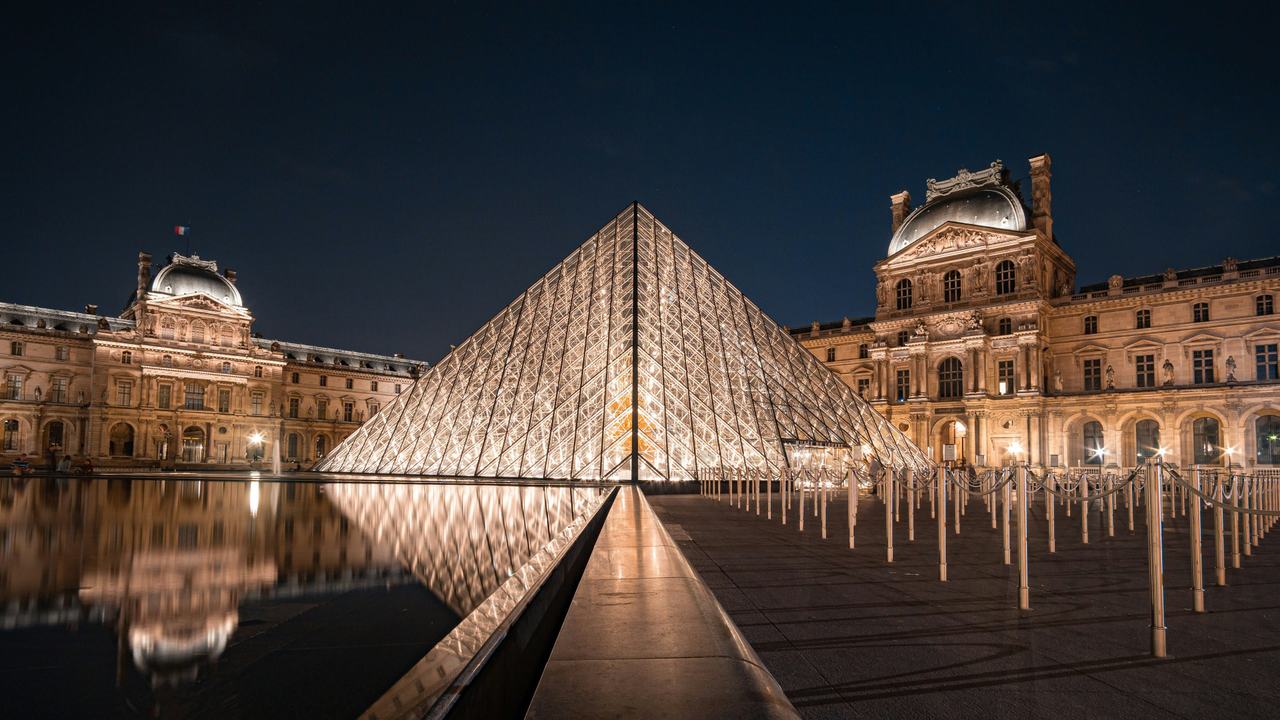
The Louvre Pyramid lit up at night and its reflection in a pool · Photo by Michael Fousert, Unsplash
Source: Louvre Museum. Photo by Michael Fousert, Unsplash.
Before it housed the Mona Lisa, the Louvre was a fortress, then the palace of kings. Its walls tell eight centuries of history before you reach the first work of art.
The Louvre Museum occupies a palace that began as a fortress under Philip II in the late 12th to 13th century. Francis I began converting it into the principal residence of the French kings in 1546, and successive rebuilding campaigns transformed the complex. After Louis XIV moved his household to Versailles in 1682, the Louvre increasingly housed royal collections and artistic institutions. During the French Revolution, the National Assembly designated it a museum, which opened on 10 August 1793 with 537 paintings, largely drawn from royal collections and confiscated church property. Its collections later expanded through military seizures under Napoleon, followed by substantial restitutions, as well as acquisitions, donations and bequests.
Remains of the medieval fortress survive beneath the palace and can be seen in the museum’s basement.
Public access was once far more restricted
In the early 1800s, ordinary visitors had just four hours a week, from 2pm to 4pm on Saturdays and Sundays.
The medieval Louvre
In the basement of the Sully wing, you walk along the walls and the moat of Philip Augustus’s fortress.
The pyramid
A stubborn legend gives it 666 panes. It actually has 673, diamonds and triangles together.
Choosing
You cannot see the Louvre in one go. Choose a wing, a period or three works, and come back.
Too far to walk comfortably: take public transit.
Distances as the crow flies; walking times are estimates. Known places from Wikidata.