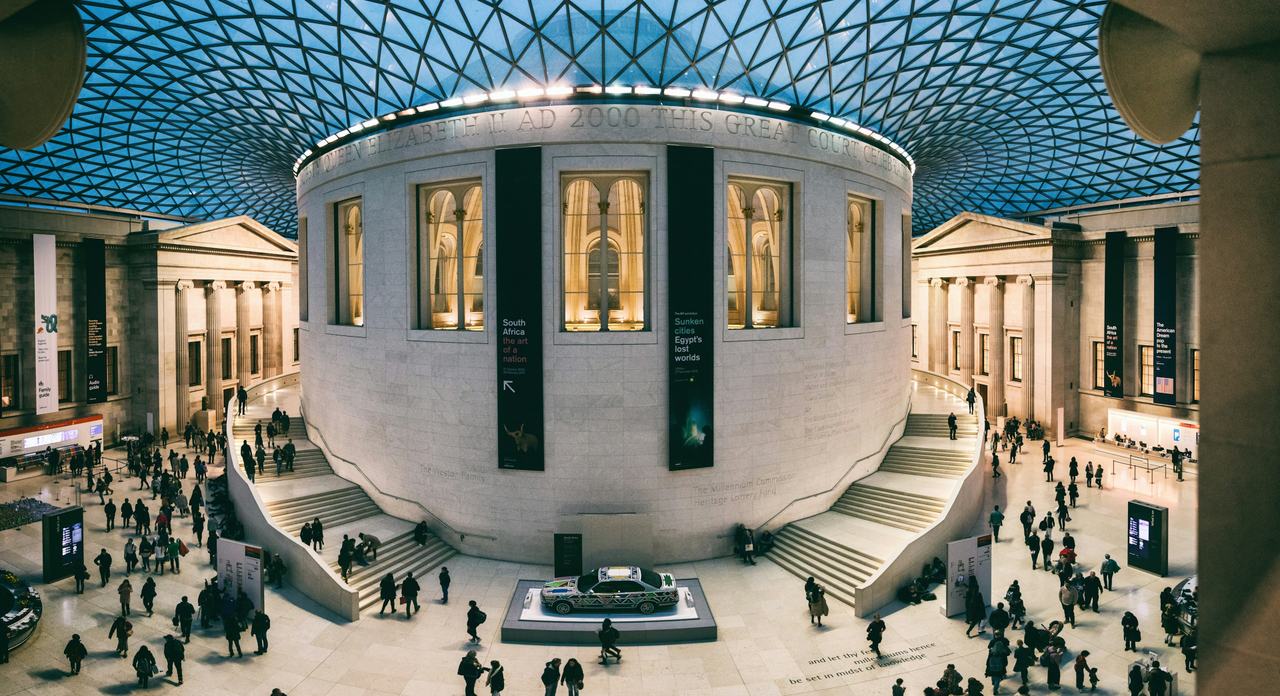
Founded in 1753 and opened to the public in 1759, the British Museum was the first national museum open to all. Behind its Greek colonnade, the Great Court and its glass roof of 2000 lead to collections from across the world.
The story
The British Museum on Great Russell Street was established in 1753 as the world’s first public national museum, built around the collections of physician and naturalist Sir Hans Sloane. It opened in 1759 in Montagu House, a converted mansion on the site of the present building, with books, manuscripts, natural specimens, and antiquities displayed under one roof. Its expansion was closely bound to British colonialism, and acquisitions including the Parthenon sculptures and the Rosetta Stone remain the subject of repatriation claims. The original combination of museum and library eventually separated: the British Library became an independent institution in 1973 but continued to occupy rooms here until 1997.
Did you know?
-
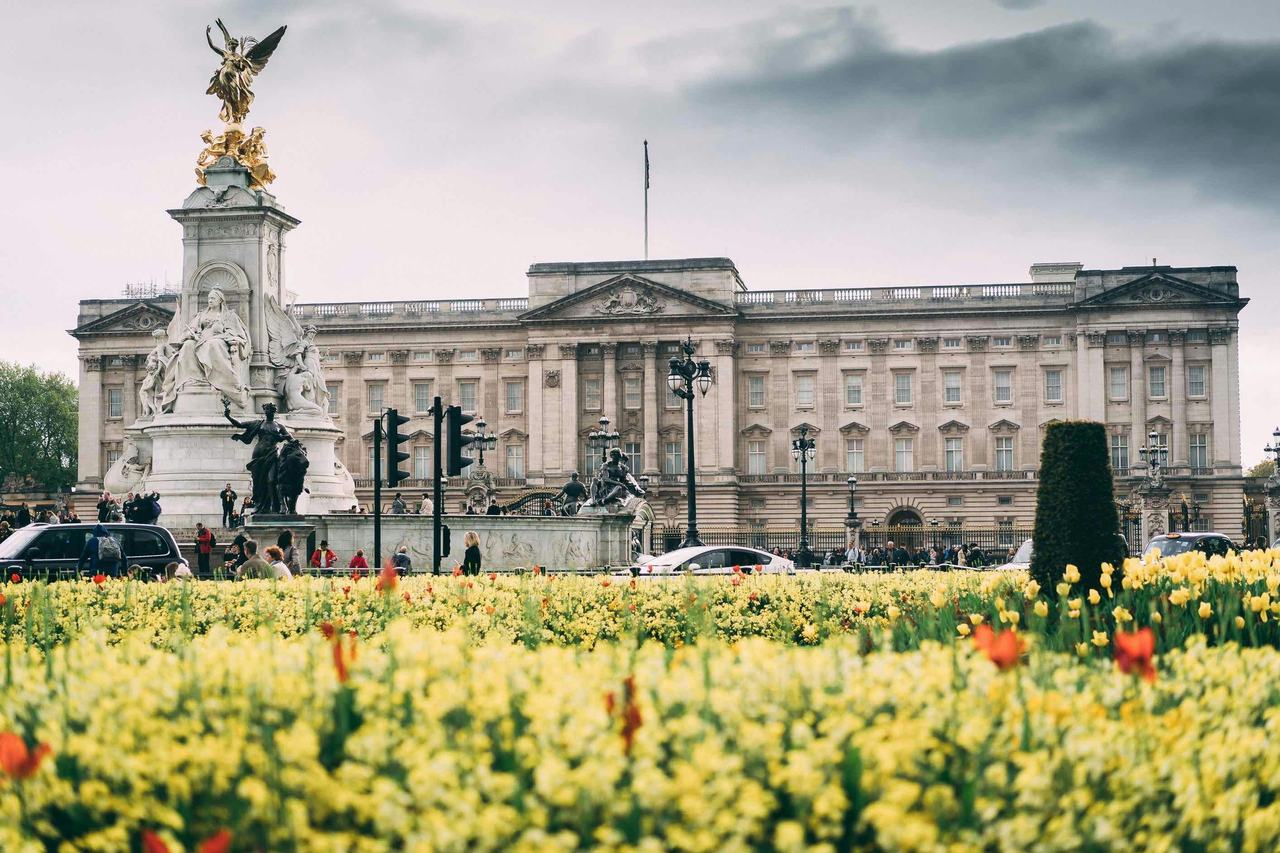
Before buying Montagu House, the museum’s trustees considered Buckingham House—the future Buckingham Palace—but rejected it because of its cost and location.
-
In 1763, the museum hired Daniel Solander, a former student of Carl Linnaeus, to reorganize its natural history collections using the Linnaean classification system.
On site, look closely
-
The Rosetta Stone
The slab that allowed Champollion to decipher hieroglyphs carries the same decree in three scripts: hieroglyphic, Demotic and Greek.
-
The Great Court
The central courtyard, covered in 2000 with a roof of glass and steel, surrounds the museum’s round former Reading Room.
-
The Parthenon sculptures
The friezes and statues brought from Athens in the early 19th century fill an entire room; Greece asks for their return.