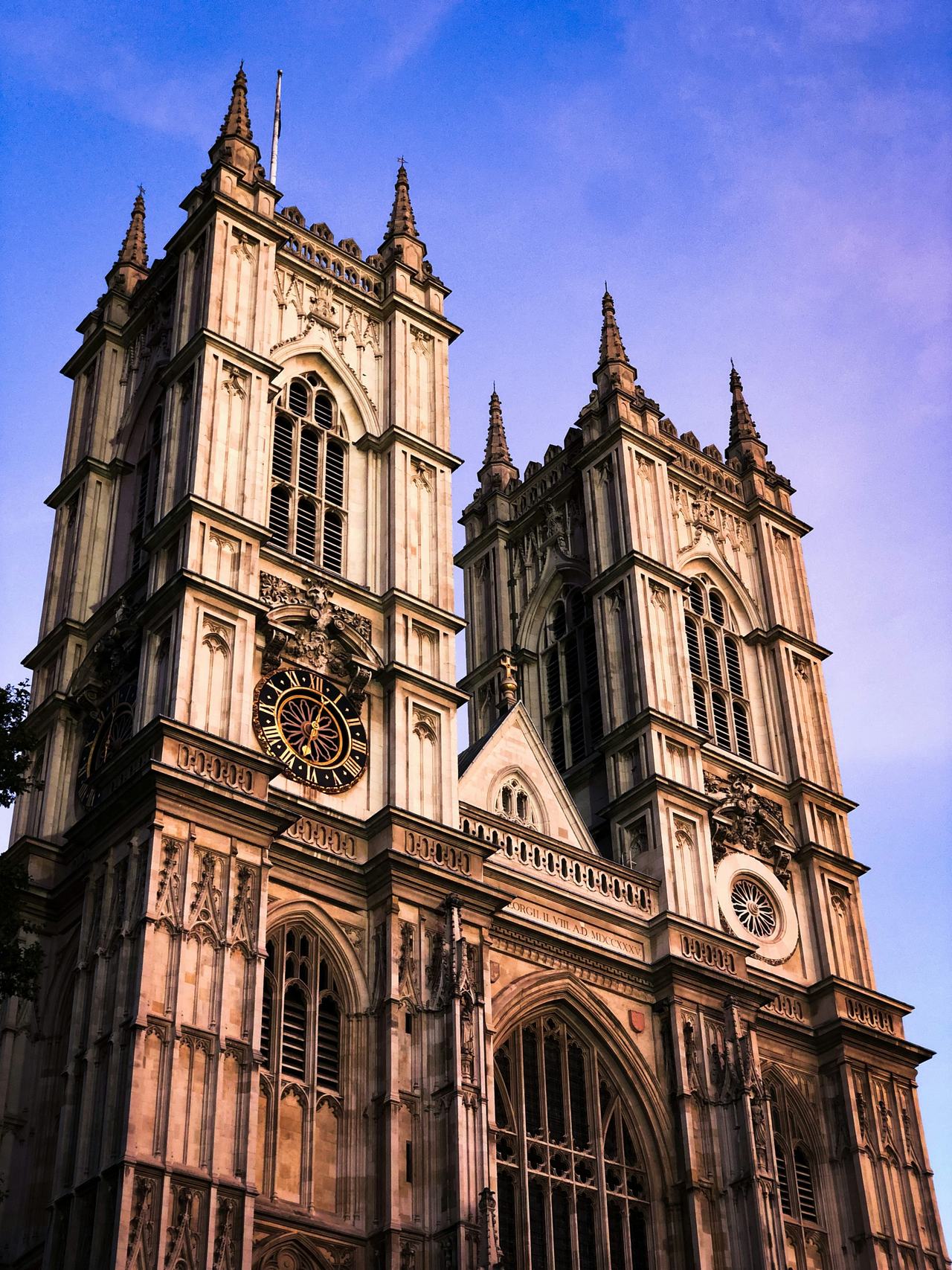
Rebuilt from 1245 on the orders of Henry III, Westminster Abbey is both the coronation church and a national pantheon: more than 3,300 people are buried or commemorated here, from kings to poets.
The story
Westminster Abbey grew from a Benedictine monastery into a church closely bound to the English monarchy: Edward the Confessor commissioned its first large building in the 1040s and was buried there in 1066. Henry III began the present Gothic church in 1245, intending it as a shrine to Edward and a burial place for his own family. Its architecture draws on French and English Gothic traditions, while the later Henry VII Chapel exemplifies the Perpendicular style. The setting for royal coronations since 1066, the abbey also holds the graves of monarchs, scientists, writers, musicians, and the Unknown Warrior. In 1559, Elizabeth I made it a royal peculiar, a church accountable directly to the sovereign.
Did you know?
-
The Bayeux Tapestry preserves the only surviving depiction of Edward the Confessor’s abbey; foundations of that building remain beneath the present church.
-
The Fishmongers’ Company gives the abbey a salmon each year, maintaining a tradition linked to a legend that a fisherman saw Saint Peter near the site.
On site, look closely
-
Poets’ Corner
Geoffrey Chaucer was the first to be buried here, around 1400; writers and musicians joined him, Handel among them.
-
The Unknown Warrior
In the nave, the grave of the Unknown Warrior, buried on November 11, 1920.
-
Henry VII’s chapel
At the east end, the Lady Chapel rebuilt under Henry VII is famous for its fan vault with hanging pendants.