



Istanbul in three layers
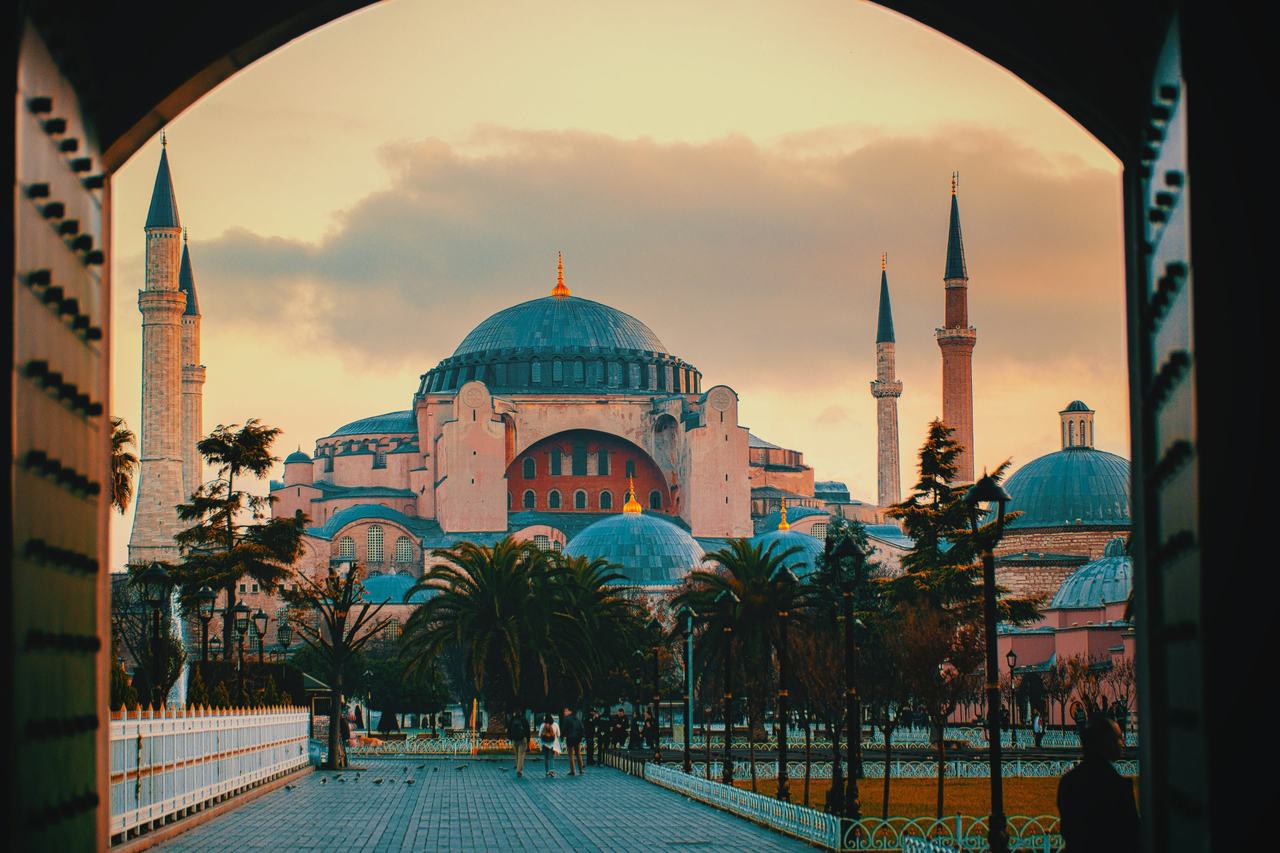
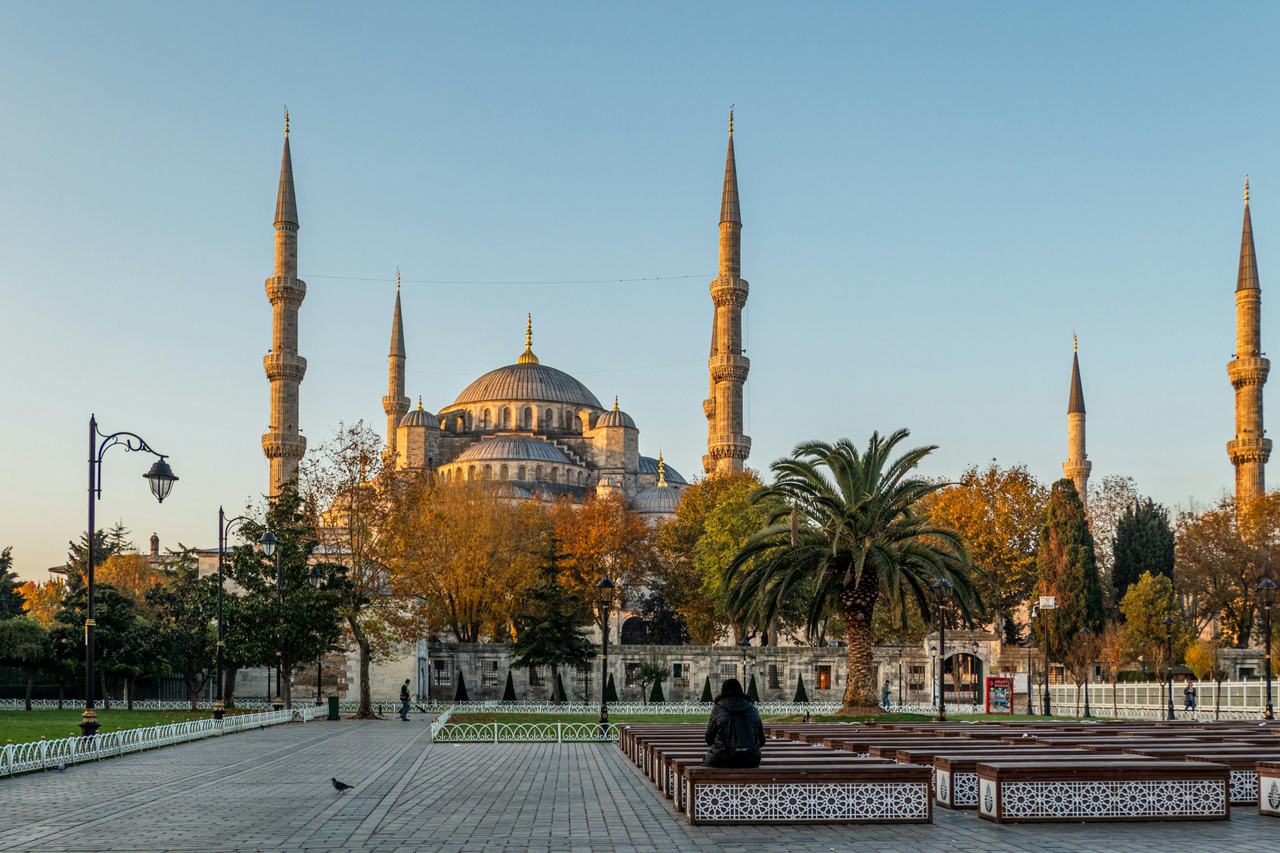
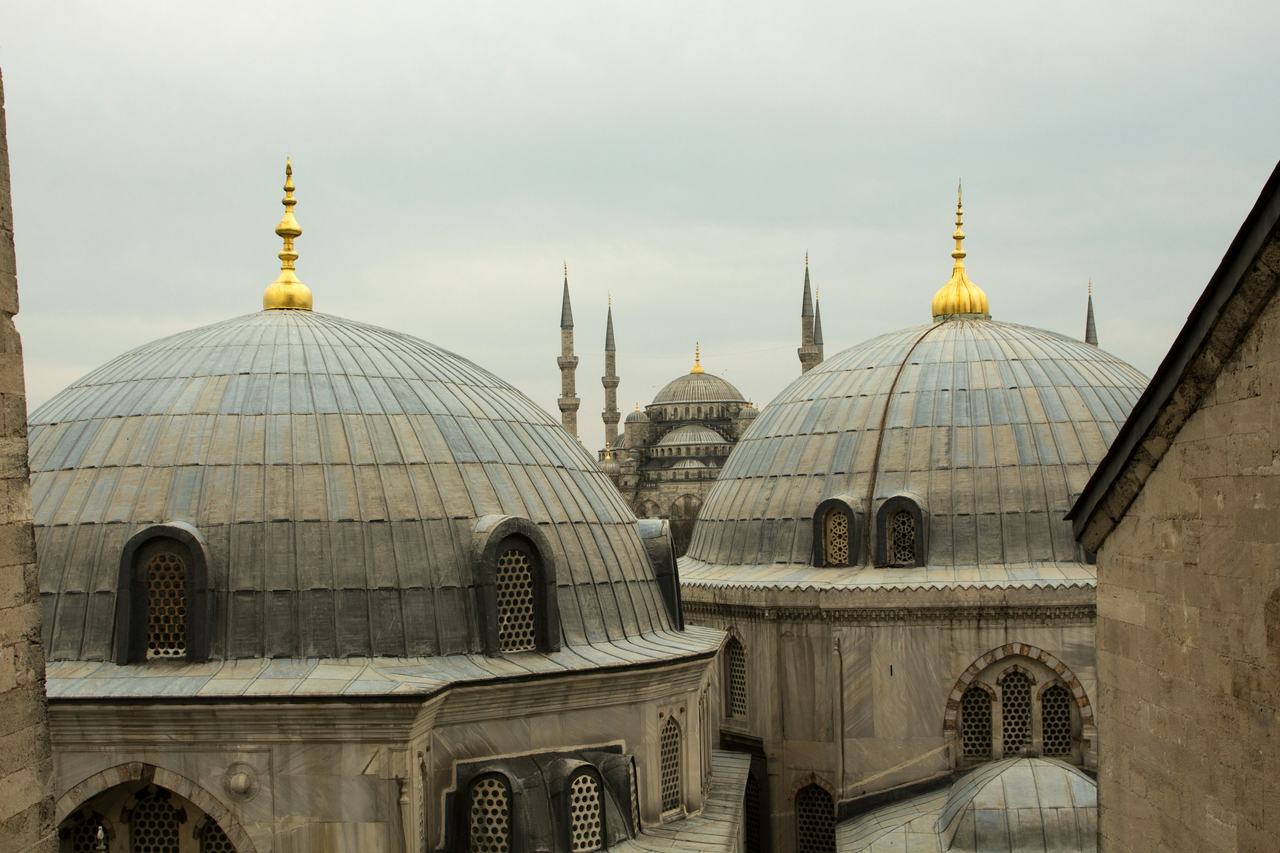
Under the old city, a cistern held up by 336 columns. At street level, a Roman racetrack. Above it all, domes fifteen centuries old. A walk through Sultanahmet, read from the bottom up.
Read the story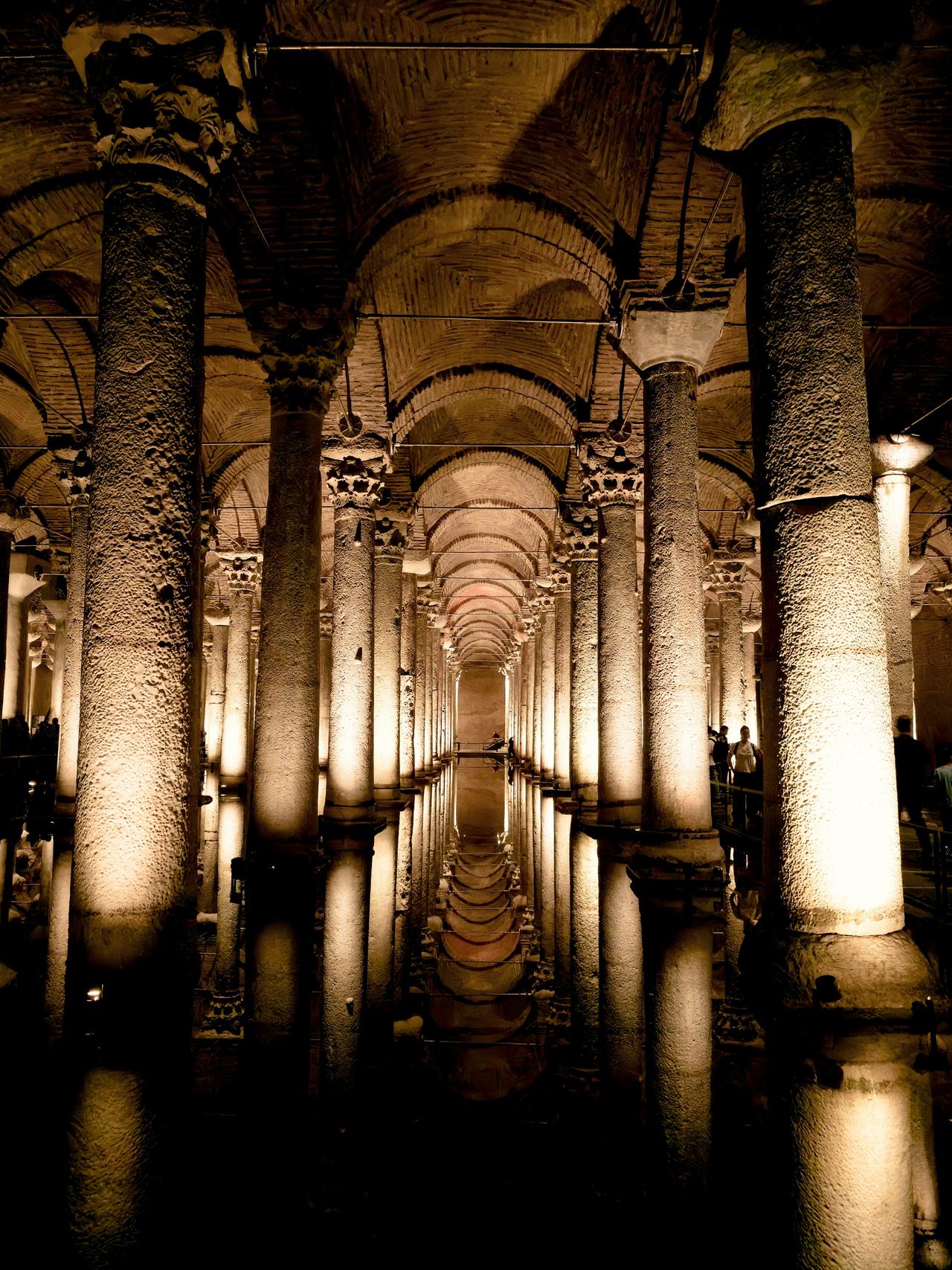
The colonnade of the Basilica Cistern, reflected in the water beneath the vaults · Photo by Skaars, Unsplash
Sources: Basilica Cistern (official site) (booking, time needed, good to know); Lonely Planet, “Basilica Cistern” (don’t miss). Photo by Skaars, Unsplash.
Beneath Sultanahmet Square, 336 columns are mirrored in the water: the reservoir that supplied the Great Palace of Constantinople.
The Basilica Cistern lies beneath Istanbul’s historic peninsula near Hagia Sophia and was built in the sixth century during the reign of Emperor Justinian I. Its name comes from the Stoa Basilica, the large public square above it. Inside, 336 marble columns support the ceiling of a reservoir capable of holding about 80,000 cubic meters of water; many of the columns appear to have been reused from older buildings. Restored and opened as a museum in 1987, the cistern underwent further conservation between 2020 and 2022, when concrete additions were removed to reveal its Byzantine brick floor and a separate steel walkway was installed.
In his 1565 account, the French traveler Petrus Gyllius described being rowed between the columns and seeing fish beneath his boat. Local residents had continued drawing water from the cistern even after its existence had largely been forgotten elsewhere.
The restoration of 1985–1987 removed more than 50,000 tons of silt, uncovering column bases carved as Medusa heads.
The Medusa heads
At the far end of the cistern, two columns rest on Medusa heads, one lying on its side, the other upside down. No one really knows why.
The weeping column
A column carved with motifs shaped like eyes and tears always seems wet. It is said to honor the slaves who died during construction.
The coolness
Even in midsummer it is cool under the vault: an ideal stop between Hagia Sophia and the Blue Mosque.
Distances as the crow flies; walking times are estimates. Known places from Wikidata.