



The tower that radio saved
The Eiffel Tower was built to stand for twenty years. What kept it standing was not its beauty but an antenna: how wireless telegraphy turned a temporary monument into a permanent one.
Read the story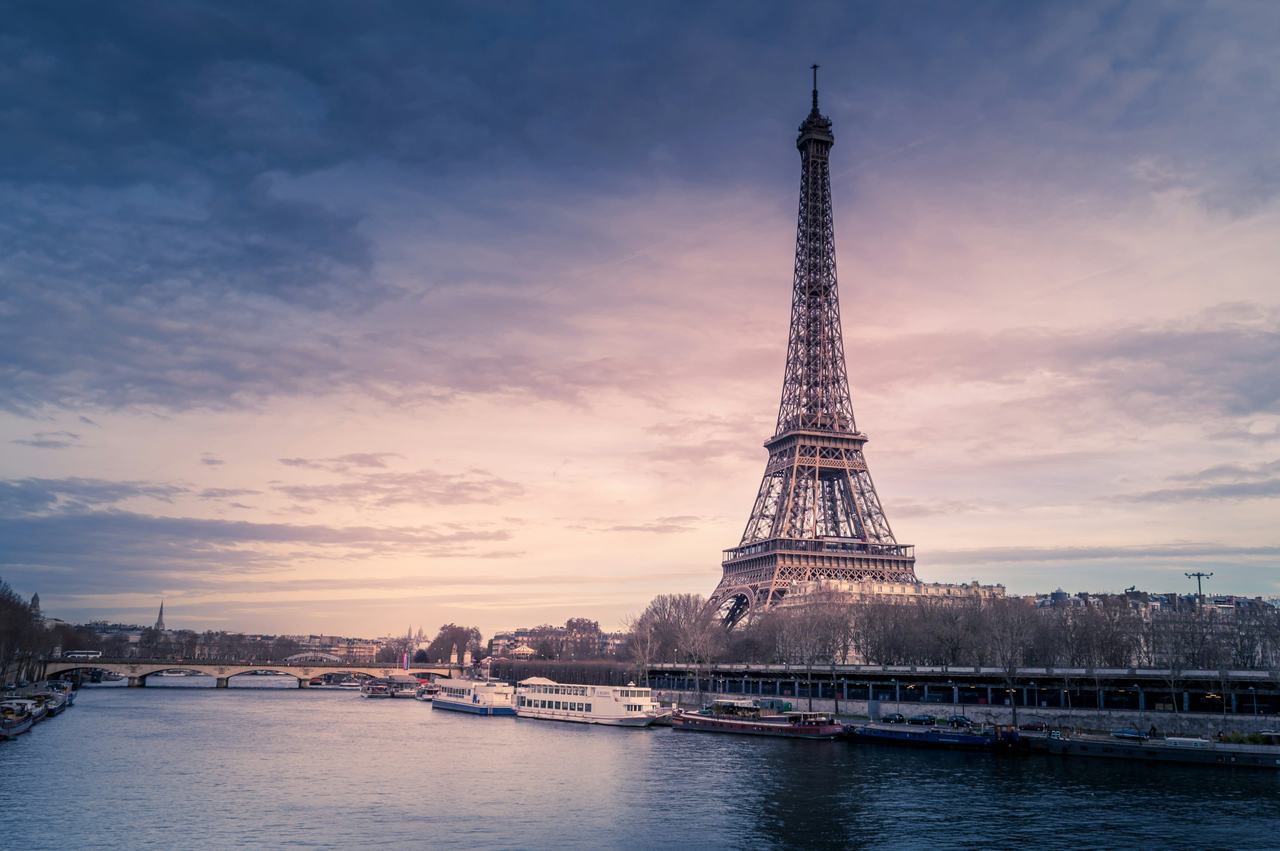
The Eiffel Tower at sunset above the Seine · Photo by Chris Karidis, Unsplash
Source: Eiffel Tower (official site). Photo by Chris Karidis, Unsplash.
Designed for the 1889 World’s Fair, opposed by artists, slated for dismantling, the Eiffel Tower became the symbol it was never meant to be.
The Eiffel Tower was built on the Champ de Mars between 1887 and 1889 as the centrepiece of the 1889 World’s Fair, celebrating the centenary of the French Revolution. Its design originated with engineers Maurice Koechlin and Émile Nouguier; architect Stephen Sauvestre added decorative arches and other architectural details before Gustave Eiffel took the project forward. Some prominent French artists and intellectuals opposed its design, but the tower became an internationally recognised symbol of France. It surpassed the Washington Monument during construction and remained the world’s tallest human-made structure until the Chrysler Building was completed in 1930.
Gustave Eiffel had a private apartment built at the top of the tower, where he entertained guests including Thomas Edison.
Eiffel initially showed little enthusiasm for the engineers’ proposal, though he authorised further study; Sauvestre’s architectural revisions helped win his support.
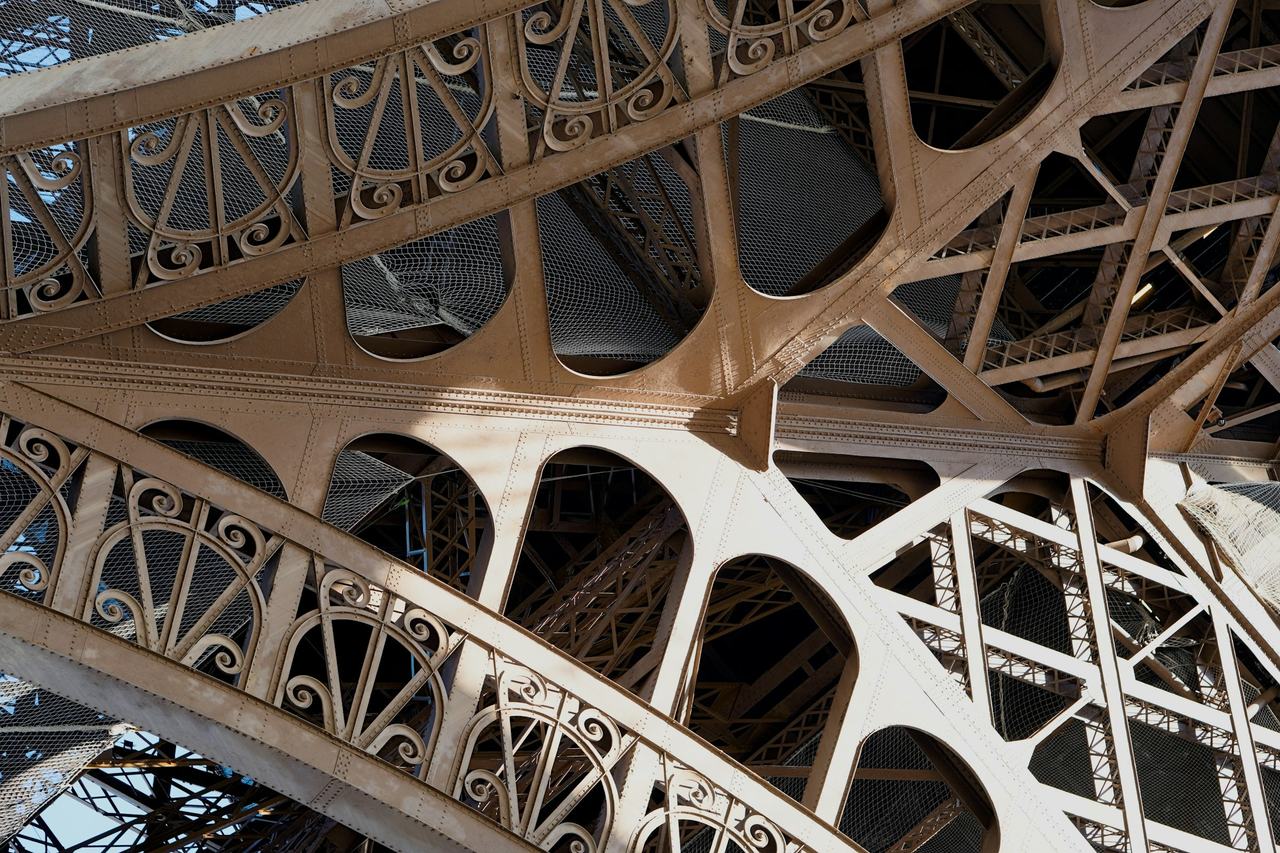
Thousands of rivets
More than 18,000 metal parts joined by some two and a half million rivets: the tower was assembled like a gigantic construction set.
The paint
It is repainted about every seven years, by hand, in several shades from darkest to lightest so that it looks uniform from the ground.
It grows in summer
Metal expands in the heat: on very hot days, the top can rise by a few centimeters (an inch or so).
Too far to walk comfortably: take public transit.
Distances as the crow flies. Known places from Wikidata.