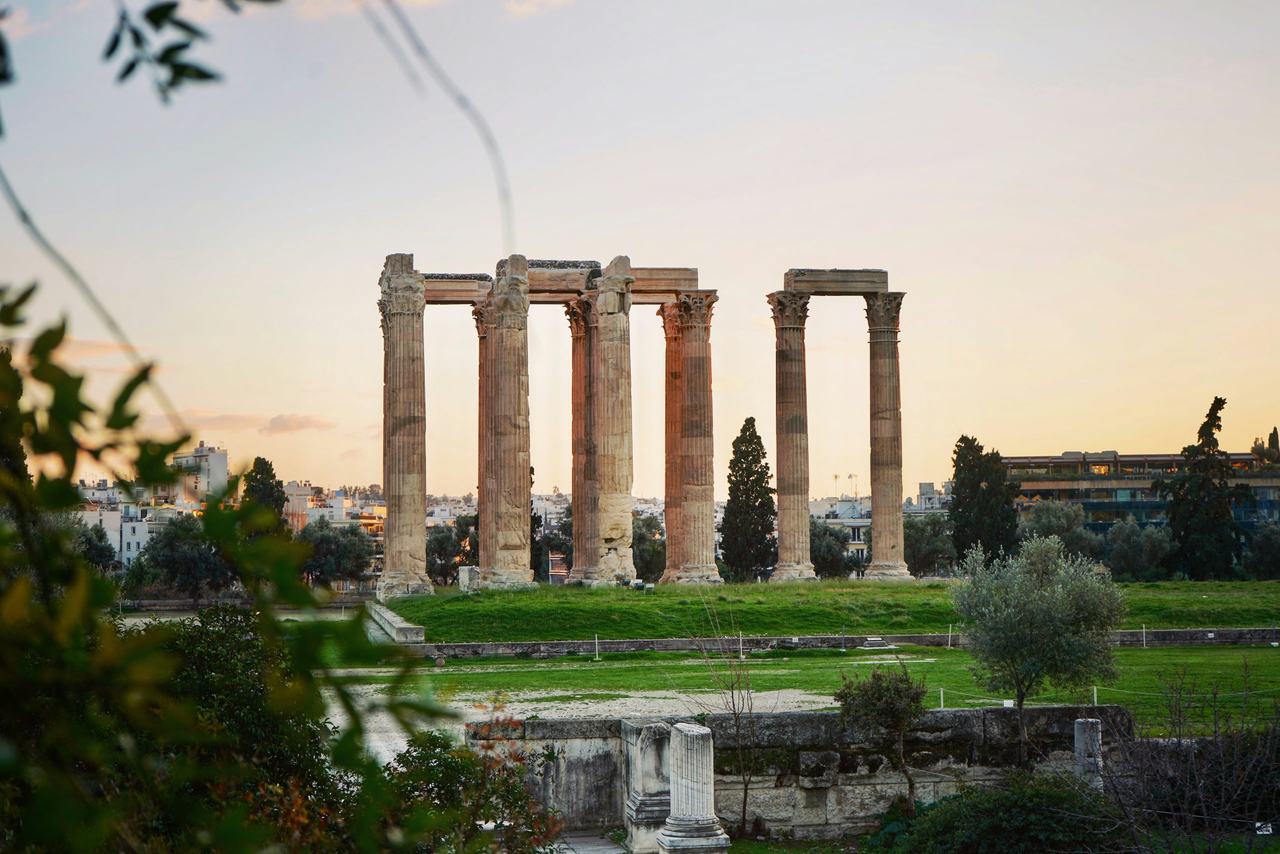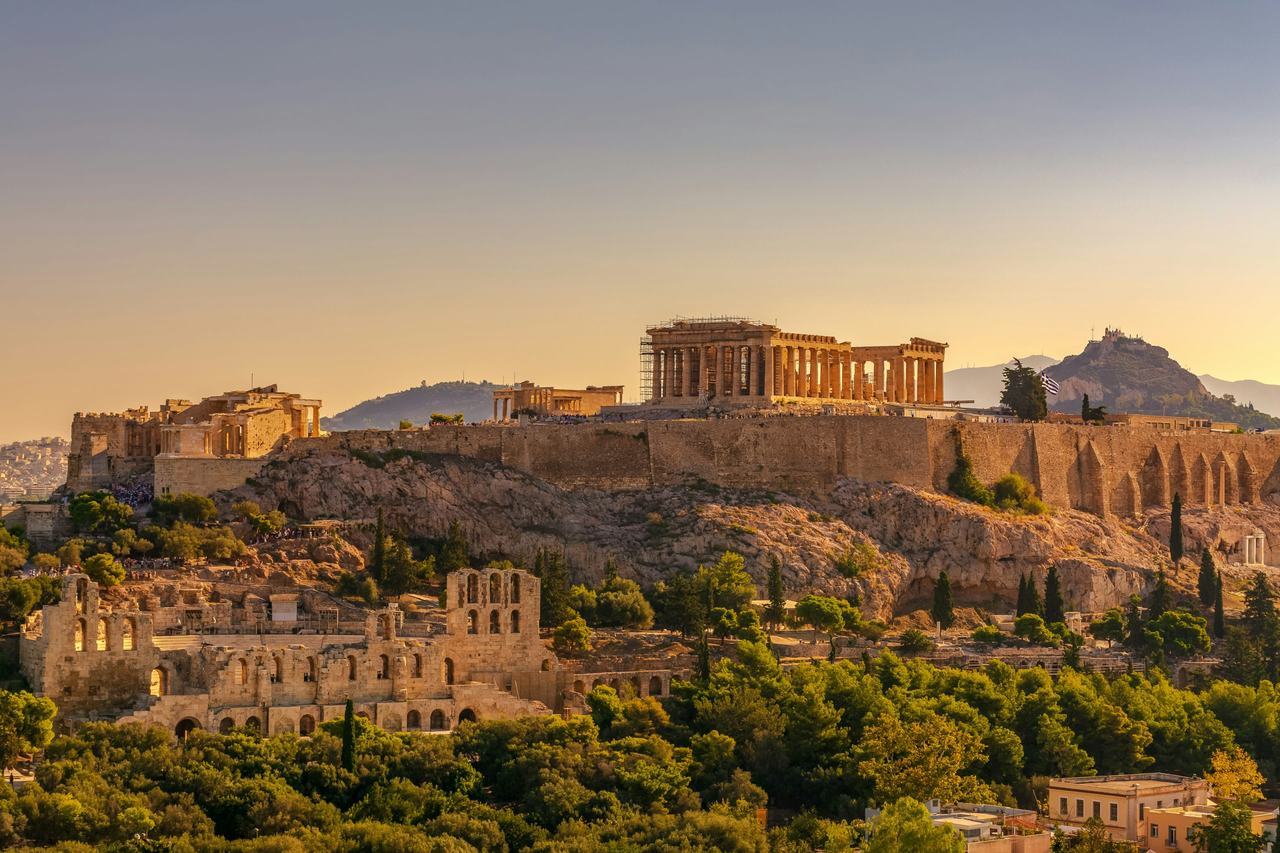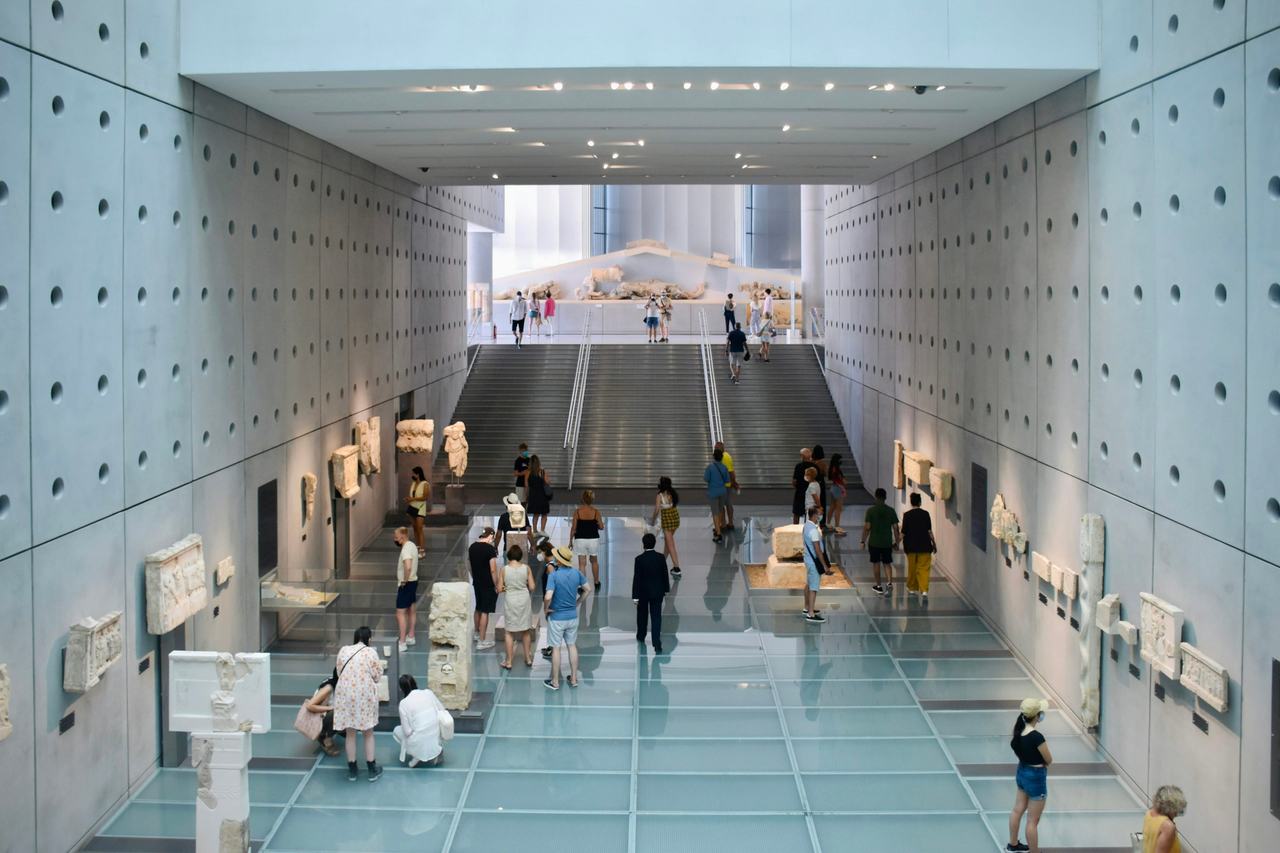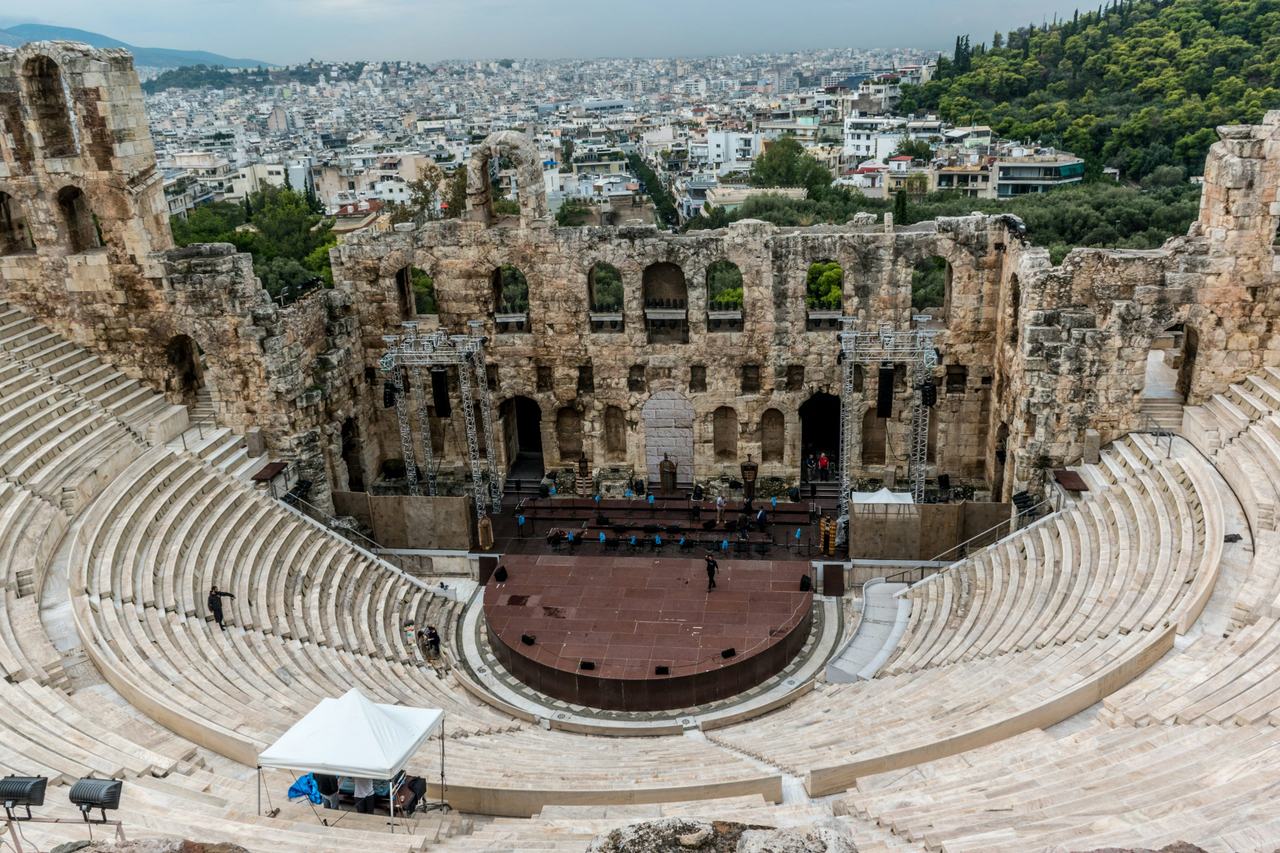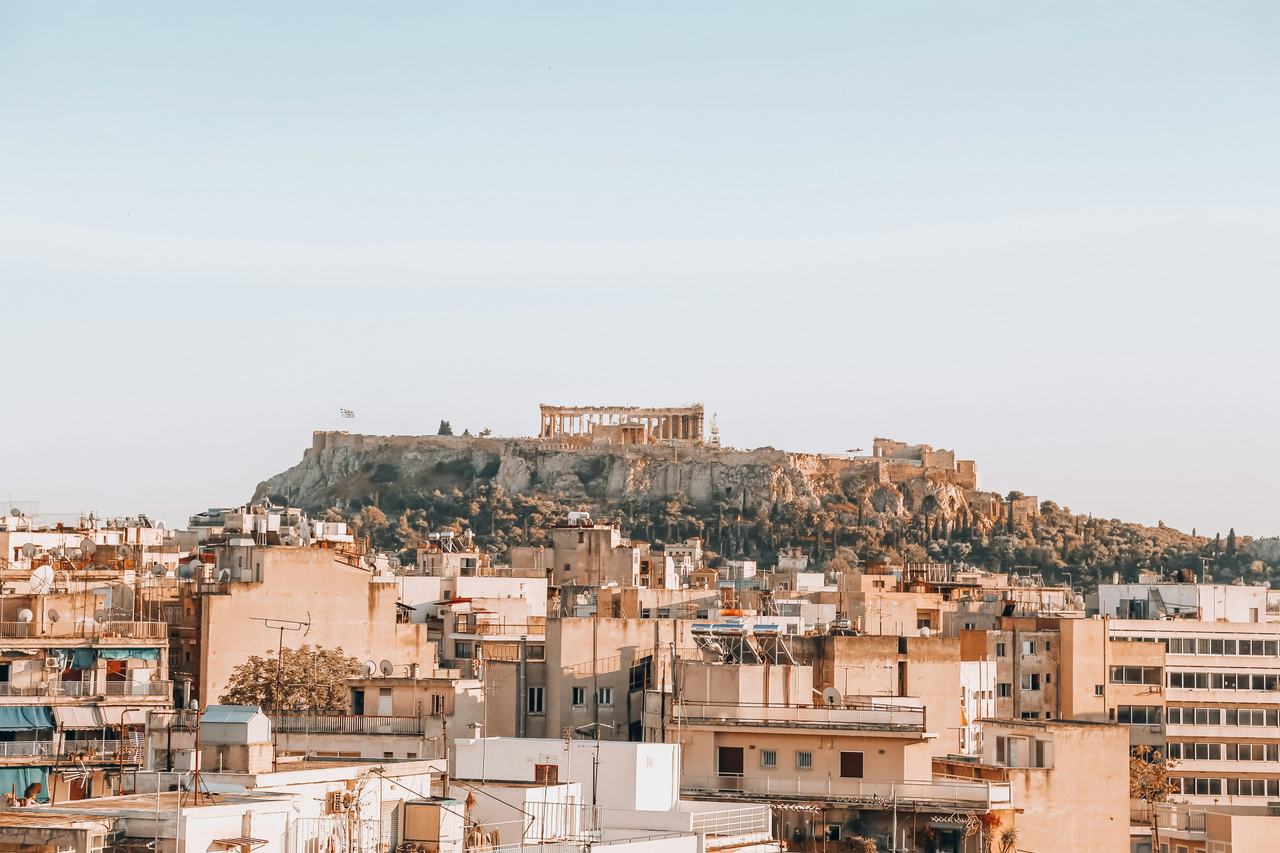
On the north and east slopes below the Acropolis, Plaka is the oldest inhabited district of Athens. Its pedestrian lanes lead to Anafiotika, a hamlet of white houses built in the 19th century by masons from the island of Anafi.
The story
Plaka spreads beneath the Acropolis over residential areas of ancient Athens, with streets such as Adrianou and Tripodon following routes that date back to antiquity. Severe fighting in 1826 drove its inhabitants away during the Greek War of Independence, but the neighborhood was repopulated under King Otto by returning Athenian families and newcomers. Its winding streets and neoclassical buildings took their present form largely during the 19th and early 20th centuries. After postwar construction, traffic, and tourism brought deterioration, a comprehensive preservation program in the 1980s helped protect the neighborhood’s historic fabric.
Did you know?
-
A fire that destroyed a large part of Plaka in 1884 also opened the way for archaeological excavations at the Roman Agora and Hadrian’s Library.
-
Anafiotika, the pocket of Cycladic-style houses within Plaka, was built during King Otto’s reign by settlers from the Aegean island of Anafi.
On site, look closely
-
Anafiotika
Below the cliff of the Acropolis, this hamlet of white houses was built in the 19th century by workers from the island of Anafi, in the style of the Cyclades.
-
The Lysicrates Monument
This small round building from 334 BC celebrated the victory of a chorus; it is the oldest surviving Corinthian monument.
-
The Tower of the Winds
On the nearby Roman agora, the octagonal tower shows a wind on each face; it once housed a water clock.