Machu Picchu, the slow way down
Cusco sits almost a thousand meters higher than Machu Picchu. Start in the Sacred Valley, descend toward the citadel and keep Cusco for the end: an itinerary shaped by altitude.
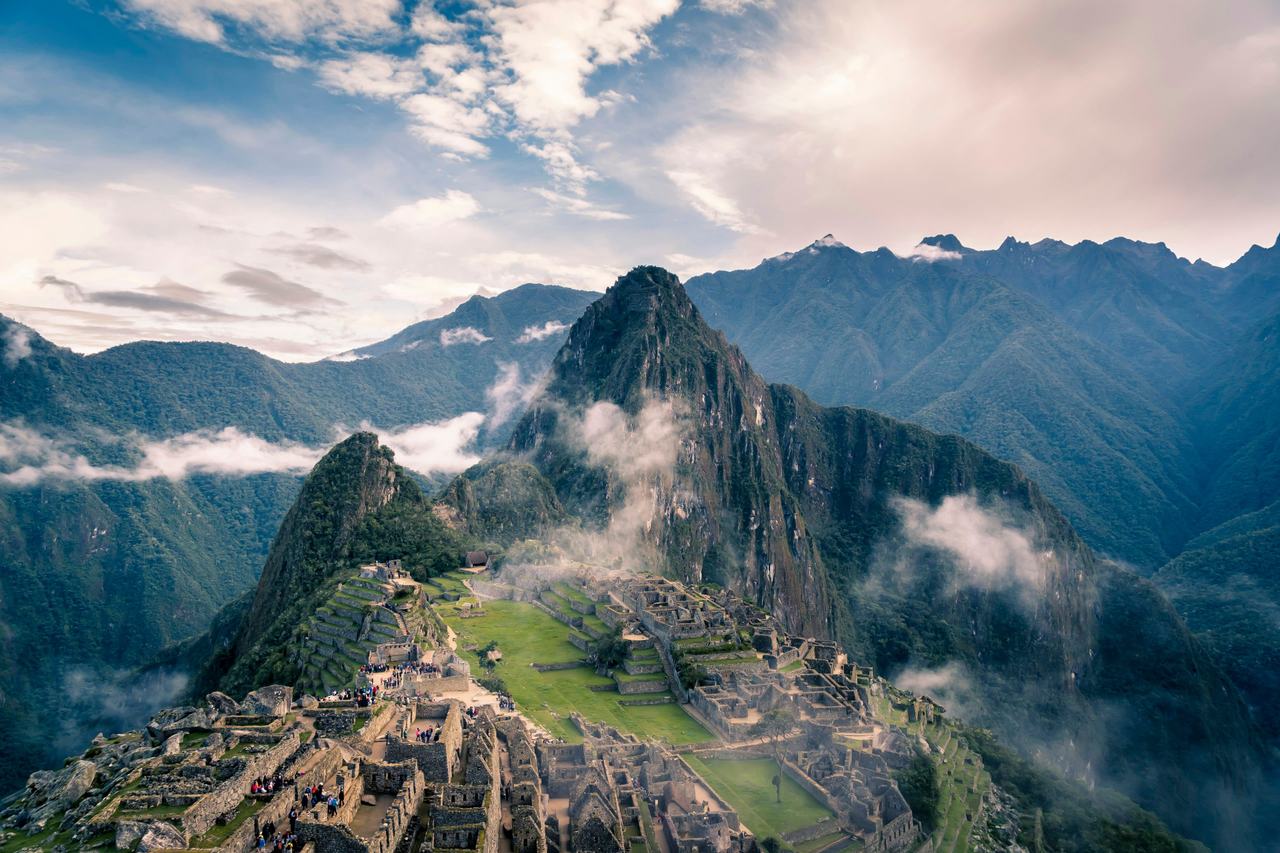
The surprise of Machu Picchu is on the map before it is on the mountain. The citadel stands at 2,430 meters. Cusco, where almost every visitor lands, stands at about 3,400. The famous site is not the high point of the journey. It is nearly a thousand meters below the arrival hall. Plan around that fact and the whole trip gets easier.
Start low
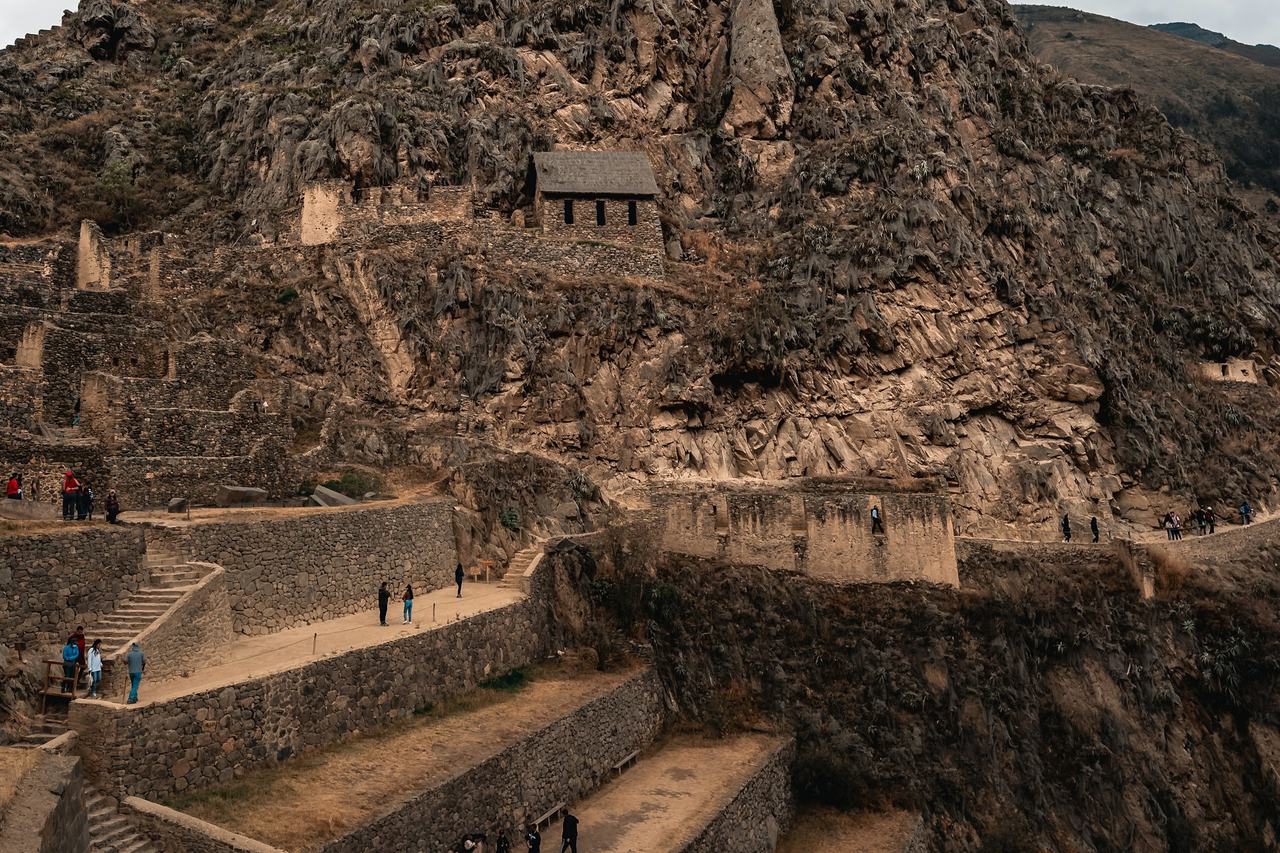
The classic mistake is to spend the first days in Cusco, at the highest and most breathless point of the route. Go the other way. From the airport, head straight down into the Sacred Valley of the Urubamba River and sleep there. Ollantaytambo, at about 2,800 meters, is the natural base: an Inca town that is still lived in, under terraces that climb the hillside like a staircase for giants. Your body adjusts while you walk them.
The train or the trail
From Ollantaytambo there are two ways on. The train follows the river down to Aguas Calientes, at about 2,000 meters, where buses climb to the entrance. The Inca Trail takes four or five days, over 42 kilometers and a pass at 4,215 meters, and arrives through the Sun Gate. Only 500 people a day are allowed on the trail, about 200 of them trekkers, the rest guides and porters. It closes every February for maintenance, and permits sell out long in advance.
The famous site is not the high point of the journey. It is nearly a thousand meters below the arrival hall.
A citadel with a quota
The site itself is rationed too. In 2011 the limit was 2,500 visitors a day. Since 2024 it has been 4,500, and up to 5,600 in high season, and each ticket carries an entry time. Long dated to around 1450, when it served as an estate for the Inca emperor Pachacuti, Machu Picchu was in fact occupied from about 1420, according to a radiocarbon study published in 2021. It was abandoned roughly a century later, and Hiram Bingham brought it to the world’s attention in 1911. UNESCO listed it in 1983.
Keep Cusco for the end. By then the altitude is no longer a problem, and the old Inca capital gets the two days it deserves.