How to read a skyline
Domes, spires and towers are not decoration — they are a city stating what it values. A short guide to reading intention in the shapes above the street.
Every skyline is an argument. Long before zoning codes and glass towers, cities announced their priorities in the tallest things they built — and those choices are still legible if you know where to look.
What rises, and why
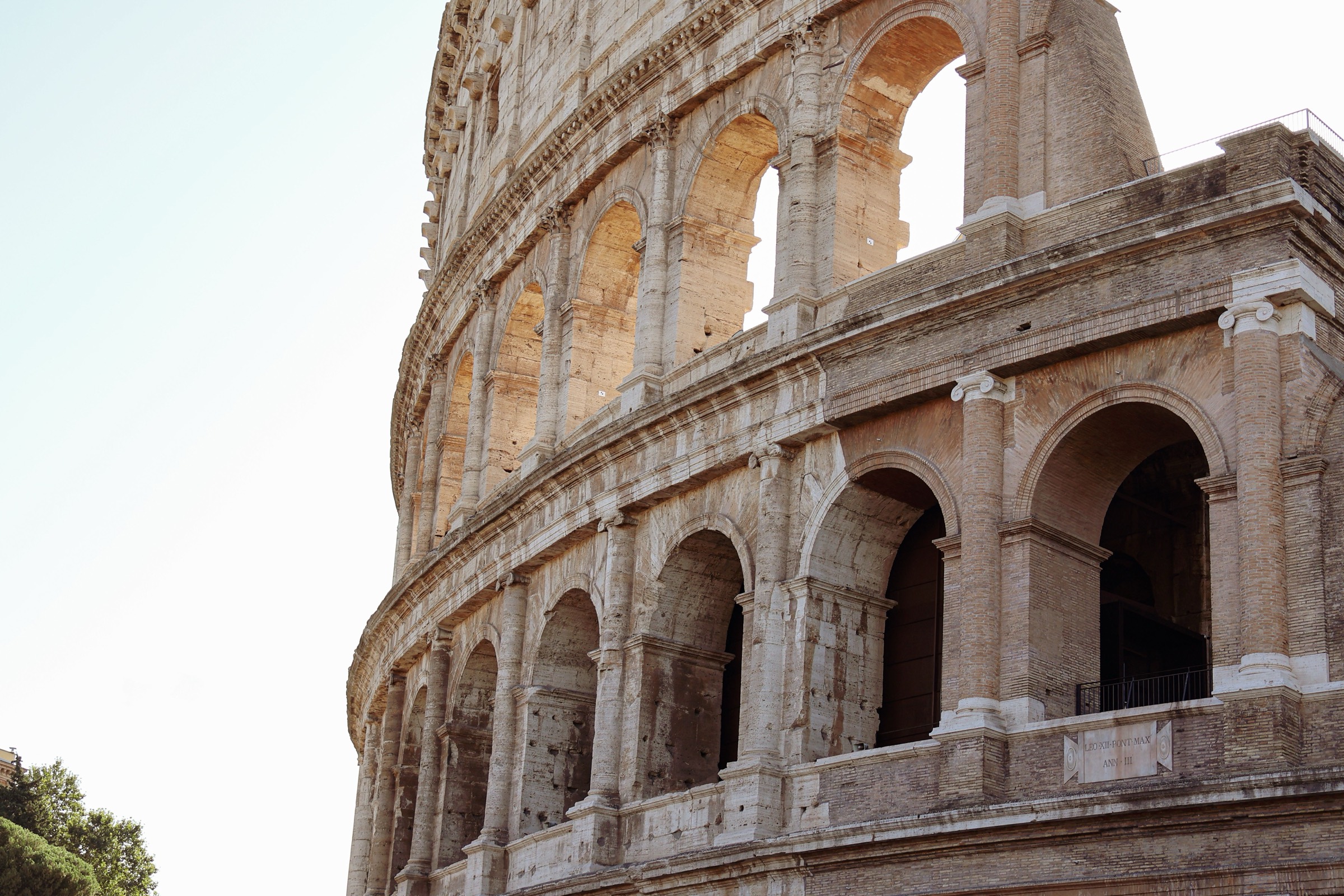
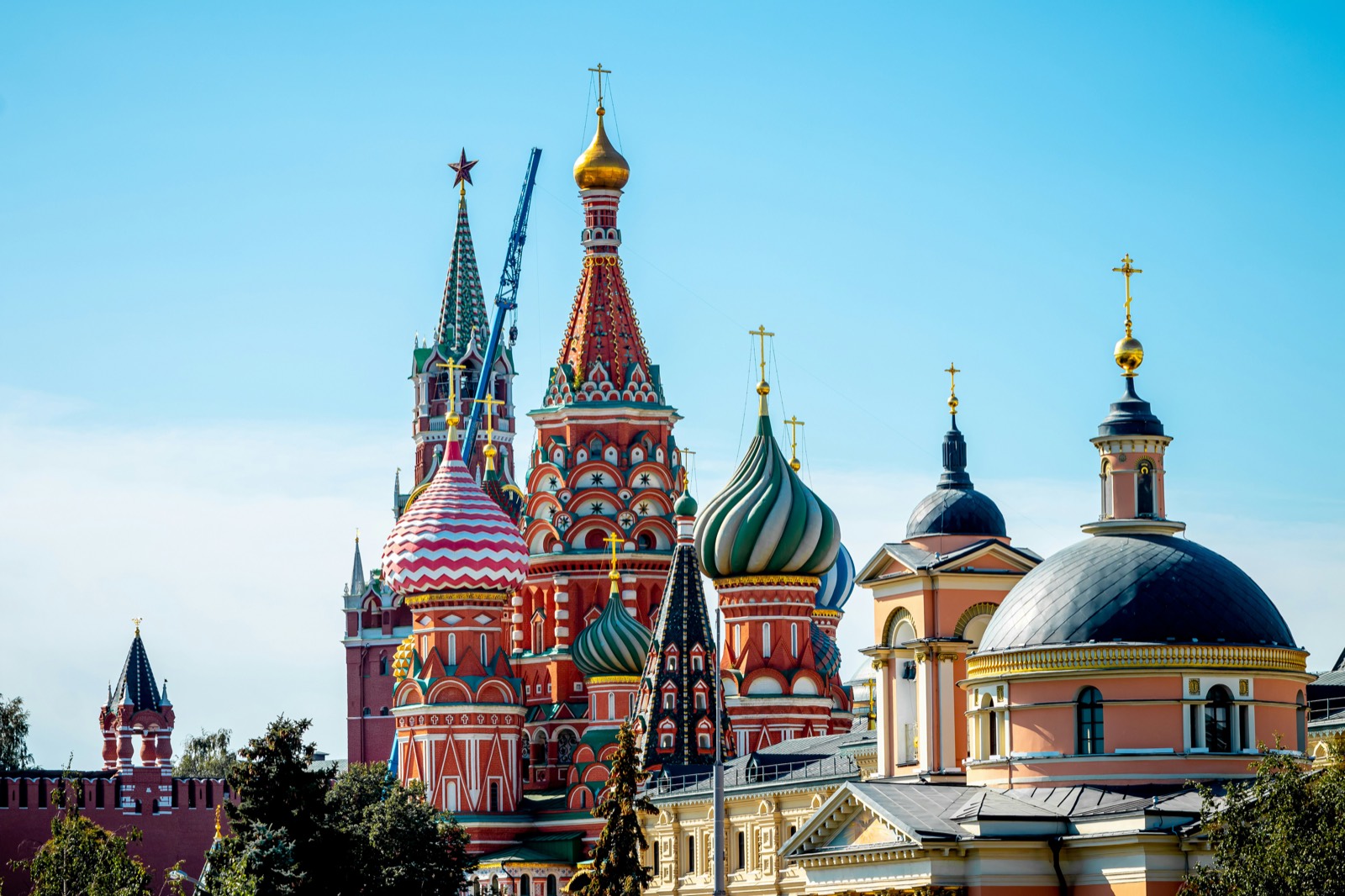
For most of history the highest point in a city was sacred or civic: a cathedral spire, a minaret, a bell tower, a dome. Height was reserved for what a society held above daily life. Read the tallest silhouette and you often read the city’s original centre of gravity.
The vocabulary of the top
Shapes carry meaning. A dome speaks of the heavens and of authority gathered under one roof. A spire points and insists. A defensive tower, blunt and crowned with battlements, remembers a time when the skyline had to survive as well as impress.
Look up first. The street tells you how a city lives; the skyline tells you what it believes.
A habit worth keeping
You don’t need to name every building. Simply ask, of the shapes above you: what was worth building this tall, and who decided? The answer is rarely about height. It is about what a place chose to honour.
The Journal, in your inbox
Twice a month, the stories worth the detour. Nothing else, and your address stays with us.
Nothing reaches beehiiv until you tick this box. Read our privacy policy